Introduction
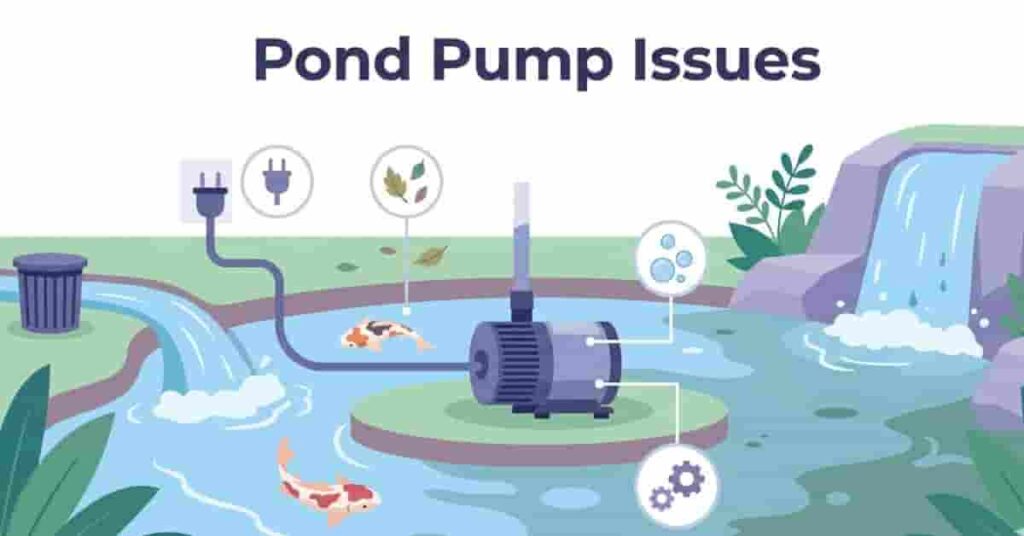
Is your pond pump getting clogged? It can be frustrating, especially if you’re new to pond care. Leaves, algae, fish waste, and leftover food can block your pump, causing poor water flow and stressing your pond’s ecosystem. A clogged pump reduces circulation and can damage the motor and filter, making maintenance harder for beginners.
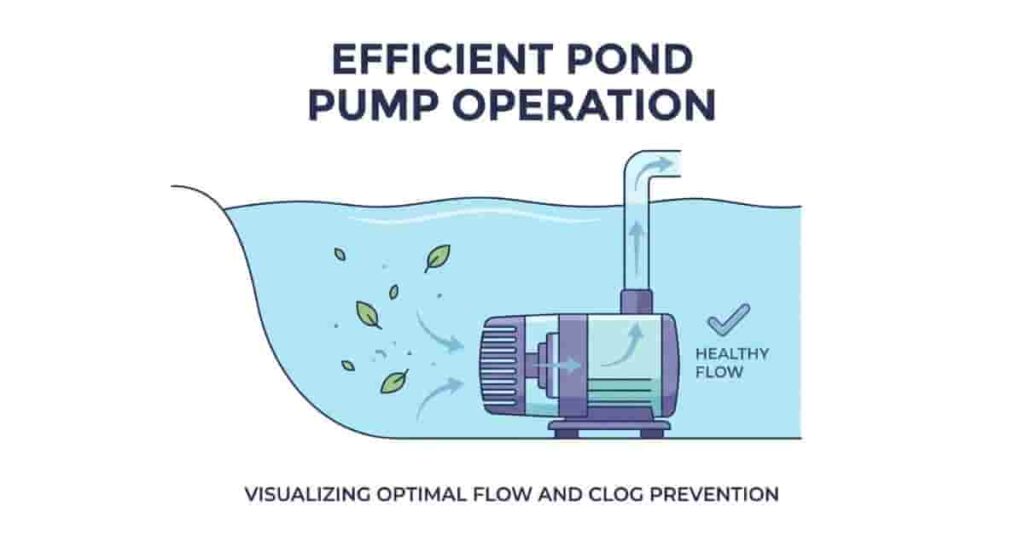
This guide shows you how to keep your pond pump from clogging and maintain healthy water flow year-round. Learn practical prevention strategies, simple troubleshooting for small clogs, and how to pick pumps that resist debris. By the end, you can stop your pond pump from clogging and keep water moving. Whether you have a small garden pond or a large koi setup, these methods save time, protect equipment, and keep your pond thriving.
“Keeping your pump clean is essential—our complete maintenance guide shows how to prevent clogs effectively.”
Quick Answer – How to Keep a Pond Pump from Clogging
Prevent clogs and keep your pond pump running smoothly with these effective steps.
- Step 1: Clean your pump weekly. Remove leaves, algae, and debris from the intake and impeller to avoid blockages.
- Step 2: Use a pre-filter or intake screen. These traps catch larger debris before it reaches your pump.
- Step 3: Avoid overfeeding fish. Excess food sinks and can quickly clog the pump.
- Step 4: Remove debris regularly. Skim leaves and waste from the pond surface every few days.
- Step 5: Choose a no-clog pond pump. Some pumps are designed to resist clogs, making maintenance easier.
- Step 6: Check hoses and impeller. Ensure tubing is clear, and the impeller spins freely for optimal performance.
With just a few routine minutes a week, you can keep your pond pump trouble-free and efficient.
Why Your Pond Pump Keeps Getting Clogged
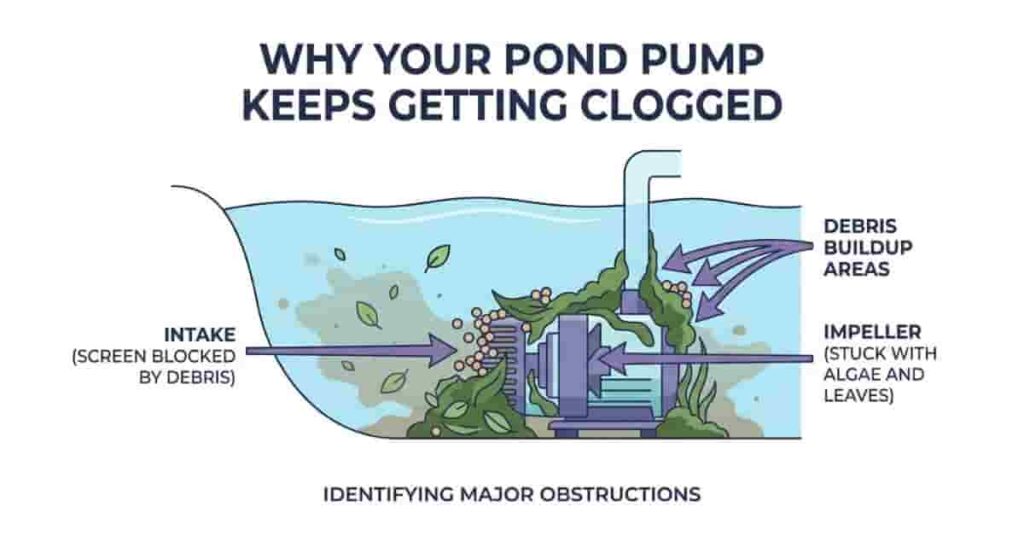
Even a small pond pump may falter if debris or waste accumulates. Many beginners in the USA ask, “Why does my pond pump keep getting clogged?” Identifying the main causes helps avert damage, sustain water flow, and protect fish health. Most clogging stems from leaves, algae, fish food, or choosing an unsuitable pump type. Let’s examine each cause.
Leaves and Debris Blocking the Intake
Leaves, twigs, and organic matter frequently cause a pump to malfunction. In fall, ponds collect more debris, and even small leaves can lodge in the intake. Gradually, this buildup impedes water flow and can fully block the impeller. Beginners often neglect to skim the surface or clean intake baskets routinely. A blocked intake forces the pump to work harder and raises energy consumption. Installing a skimmer or pre-filter wards off this issue. With consistent weekly upkeep, your pond pump will function reliably.
Algae and Biofilm Build-Up
Algae and biofilm can coat the pump’s internal surfaces, including the impeller and filter housing. Slime formation reduces efficiency and eventually causes water flow to drop. Pumps in shaded or nutrient-rich ponds are most vulnerable. If you notice a sticky residue when inspecting your pump, it’s a sign that algae are accumulating. Cleaning with a soft brush and occasionally flushing the housing can stop buildup before it leads to a full clog. Regular inspection ensures your pond pump doesn’t clog up unexpectedly.
Fish Food and Waste Accumulation
Overfeeding koi or goldfish leaves uneaten food near the pump intake. Mixed with fish waste, this can quickly block the impeller. Beginners often miss how feeding affects the pump. Reduce food amounts and remove leftovers to prevent buildup. A clean pond keeps the pump efficient and stops repeat clogs.
Wrong Pump Type or Size
Not all pumps are made the same. Small, cheap pumps or those with narrow intake designs clog more easily. Pumps that are too weak for your pond size struggle with high debris levels. Using the right pump size and design, preferably a no-clog model, minimizes maintenance and improves water circulation. Before buying, check the flow rate, intake design, and debris handling. This prevents the “my pond pump keeps getting clogged” problem for good.
“For minor clogs, simple repairs can restore performance—check our step-by-step repair guide.”
How to Prevent Pond Pump Clogs (Step-by-Step)
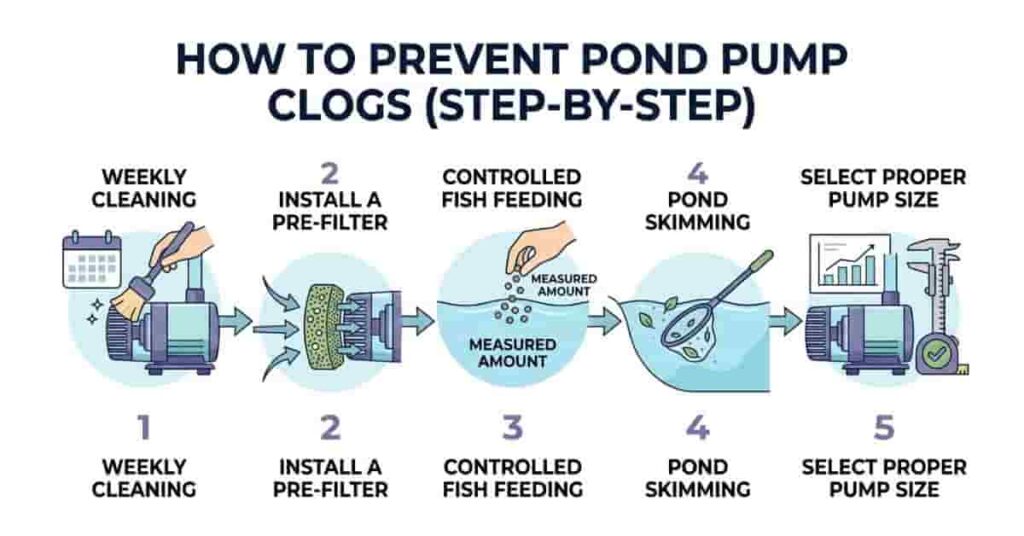
Preventing a clogged pond pump is easier than fixing one. Consistent habits and proper equipment keep water flowing and maintain pond health. Many beginners overlook maintenance, but simple weekly steps save time, protect fish, and extend pump life. The right pump and a pre-filter reduce clogging to keep your pond clear year-round.
Clean Your Pump Regularly
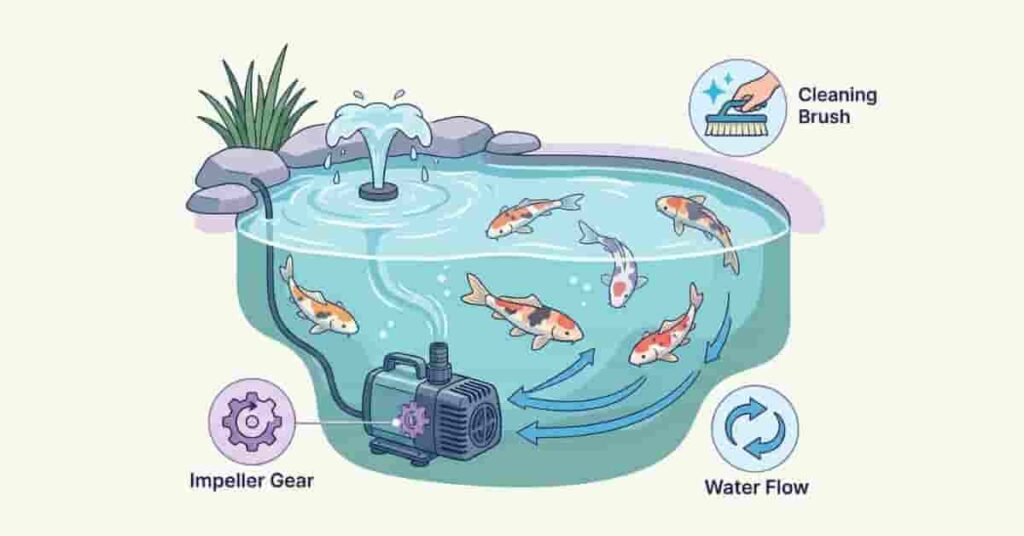
A weekly cleaning routine best prevents pump clogs. Unplug the pump, remove it from the pond, and check the intake screen and impeller for debris. Rinse with clean water and use a soft brush if needed. Regular inspection keeps your pump spinning freely, preventing slowdowns or stoppages. Even beginners can complete this in 10–15 minutes to ensure smooth flow and avoid costly repairs.
Use a Pre-Filter or Pump Screen
Pre-filters trap debris before it reaches your pump, reducing maintenance. Foam filters or mesh screens suit small and medium ponds; DIY bucket filters work for larger ones. A pre-filter protects the impeller from wear. Used properly, these solutions help your pond pump stay effective, even during heavy leaf fall or algae growth.
Control Fish Feeding
Overfeeding can cause clogging. Uneaten pellets collect around the intake. Feed fish only what they eat in 5 minutes, and remove leftovers promptly. Less food waste prevents debris buildup and keeps your pump clear. Maintaining a feeding schedule keeps fish healthy and reduces water pollution.
Keep the Pond Clean
Regular pond cleaning prevents pump blockages. Skim leaves daily, remove bottom sludge, and trim excess plants. Use a pond skimmer or net for quick cleanup. Clean ponds reduce algae, prevent sludge, and ensure efficient, low-maintenance pump operation.
Choose the Right Pond Pump
The correct pump prevents clogs. High-flow pumps manage debris better than low-flow models. Look for no-clog features like wide intakes and self-cleaning impellers. Submersible pumps suit small ponds, while external pumps are best for larger or fish-heavy setups. Proper pump selection and flow rate reduce maintenance and keep water circulating year-round.
How to Fix a Clogged Pond Pump (Easy DIY Guide)
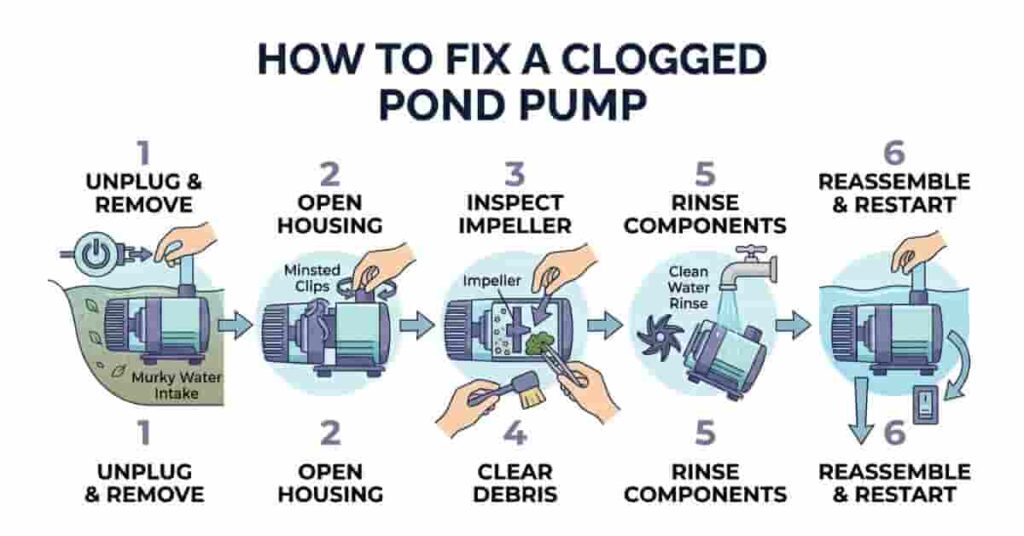
Pond pumps can get clogged, but quick DIY fixes keep your pond healthy. Most small clogs are resolved at home in 10–20 minutes with simple tools.
Step-by-Step Guide
- Unplug the pump before working. Never touch a pump while powered.
- Remove the pump gently to avoid damaging hoses.
- Open the pump housing to access the impeller and intake.
- Check the impeller and intake for leaves, algae, fish waste, or sticks.
- Remove all visible debris using tweezers or a soft brush.
- Rinse with clean water. Ensure the impeller spins freely.
Reassemble and test: Put the pump back together, place it in the pond, plug it in, and confirm proper flow.
Safety Tips & Timing
- Always unplug the pump before handling.
- Never use harsh chemicals that harm fish or pumps.
- Wear gloves to protect your hands from sharp debris or algae buildup.
- Clear most minor clogs in 10–20 minutes. This task is quick and easy.
Following this process regularly helps prevent future problems and teaches beginners exactly how to keep a pond pump from getting clogged. With routine checks, your pond pump clogging issues can become rare.
Tips for Different Pond Types
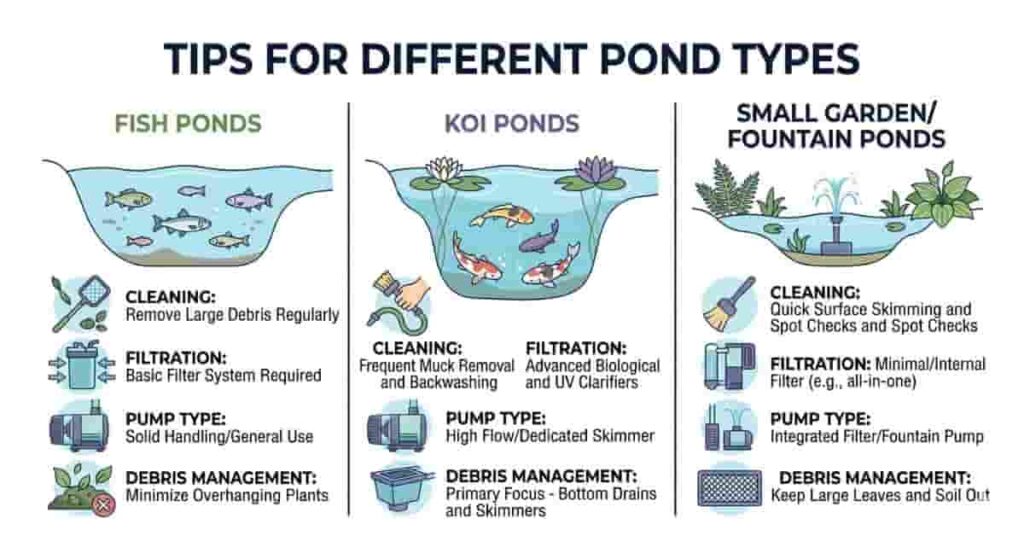
Not all ponds are the same. Pond type, fish size, volume, and debris levels determine pump maintenance and cleaning practices. Following tailored tips helps beginners avoid common problems and reduce stress on fish and pumps.
Fish Ponds
For standard fish ponds, use gentle care. Turn off the pump and handle the impeller carefully when cleaning to avoid stressing fish. Remove debris gradually without disturbing the pond bottom. Using a skimmer keeps leaves from clogging your pump, and regular checks prevent blockages while keeping fish and water healthy.
Koi Ponds
Koi ponds require more attention because koi produce more waste. Heavy debris can quickly block a standard pump. Use a strong filtration or a no-clog pond pump for larger waste. Skim debris and perform partial water changes to maintain quality. Inspect pumps weekly to prevent buildup, ensuring healthy koi and reliable water flow even with frequent feeding.
Small Garden & Fountain Ponds
Small ponds and fountains use delicate pumps that clog easily with leaves, algae, or food. Use pre-filters or fine mesh screens to catch debris, and check impellers and tubing weekly. With regular care, a small garden pond can run smoothly without stressing the pump or plants.
Common Mistakes That Cause Pump Clogging
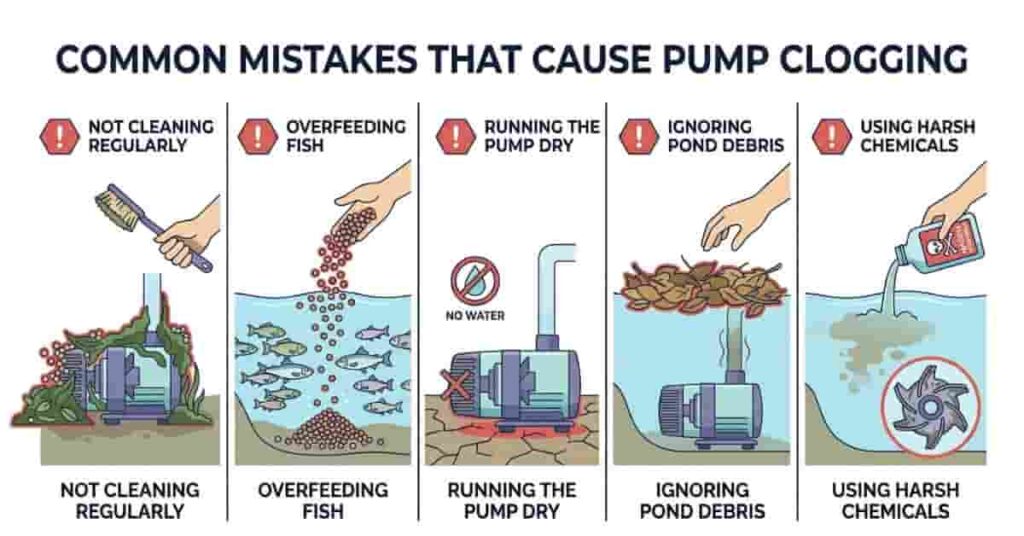
Even small errors can lead to a pond pump clogging issue. Many beginners make simple mistakes that cause costly repairs, reduce water flow, and stress fish. Understanding these errors helps you prevent damage and keep your pond healthy.
- Failing to clean the pump regularly lets debris and algae slowly block the impeller. Skipping weekly maintenance causes pumps to fail and raises repair costs.
- Overfeeding fish lets uneaten food settle near the intake and create thick clogs. This reduces circulation, harms water quality, and forces you to clean the pump more often.
- Letting the pump run dry overheats the motor and can damage your pump permanently. You then face expensive repairs or replacement.
- Ignoring small debris allows tiny leaves or twigs to accumulate quickly. Over time, this reduces flow and stresses the pump, causing it to malfunction.
- Using harsh chemicals corrodes the impeller or tubing and harms fish. Choosing the wrong products shortens pump life and increases maintenance costs.
By avoiding these mistakes, beginners can keep water flowing smoothly, extend pump life, and prevent expensive repairs. A little attention goes a long way in preventing pond pump clogging problems.
Pond Pump Maintenance Checklist
Regular maintenance only takes minutes and keeps your pond pump in great condition, avoiding costly repairs and poor water flow.
- Clean the intake weekly. Remove leaves, algae, and debris from the intake screen to ensure smooth water flow.
- Check the impeller. Make sure it spins freely and isn’t blocked by slime or sediment. A working impeller prevents pump strain.
- Remove debris. Skim floating leaves and sludge from the pond surface to reduce buildup near the pump.
- Inspect tubing and hoses. Check for kinks, blockages, or leaks that reduce water flow. Replace or clear tubing as needed.
- Test water flow. After cleaning and inspection, run the pump to confirm proper circulation and check for unusual noises or reduced output.
Use this checklist to keep your pond clean and your pump working well.
“Understand why your pump clogs in the first place by reviewing common troubleshooting steps.”
Conclusion
Keeping your pond pump running smoothly doesn’t have to be hard. We covered how to keep a pond pump from clogging, why pumps get blocked, and step-by-step tips for prevention and easy DIY fixes. You also learned type-specific guidance for fish, koi, and garden ponds, plus common mistakes to avoid.
Regular cleaning, proper feeding, and the right pump choice make a huge difference. Following these steps keeps water flowing, reduces maintenance stress, and extends your pump’s life. Using pre-filters and no-clog models further minimizes clogging problems.
Take your pond care further: use our pond pump calculator now to find your ideal pump. Upgrade to a no-clog pond pump for hassle-free operation. Share your own best tips or lessons learned—your advice could help other pond owners achieve even better results!

Michael Brooks and Sarah Lane are the co-founders of the Pond Pump Team, a trusted U.S.-based group helping homeowners and landscapers build better ponds and water features. Michael, an experienced pond engineer from Oregon, has worked for over 12 years on pump sizing, flow systems, and water circulation. Sarah, a pond designer from Colorado with nine years of experience, focuses on eco-friendly and easy-to-maintain pond and waterfall designs. Together, they’ve completed more than 180 pond projects and created tools like the Pond Pump Calculator and Pond Liner Calculator to make pond planning simple, accurate, and sustainable.
Need help with your pond setup? Contact the Pond Pump Team for expert advice and reliable solutions.