Table of Contents
- Introduction
- What Is Pond Weed? (Identification, Types & Common Species)
- 1. Pond Plants Guide (Common Types, Benefits & Identification)
- 2. Blanket Weed in Ponds: Removal, Treatment & Prevention
- 3. American Pondweed: Identification, Control & Removal
- 4. Watershield in Ponds: Identification & Removal
- 5. Pond Grass Removal (Publish Only if SERP Is Different)
- Conclusion
- Frequently Asked Questions About Pond Weeds
Introduction
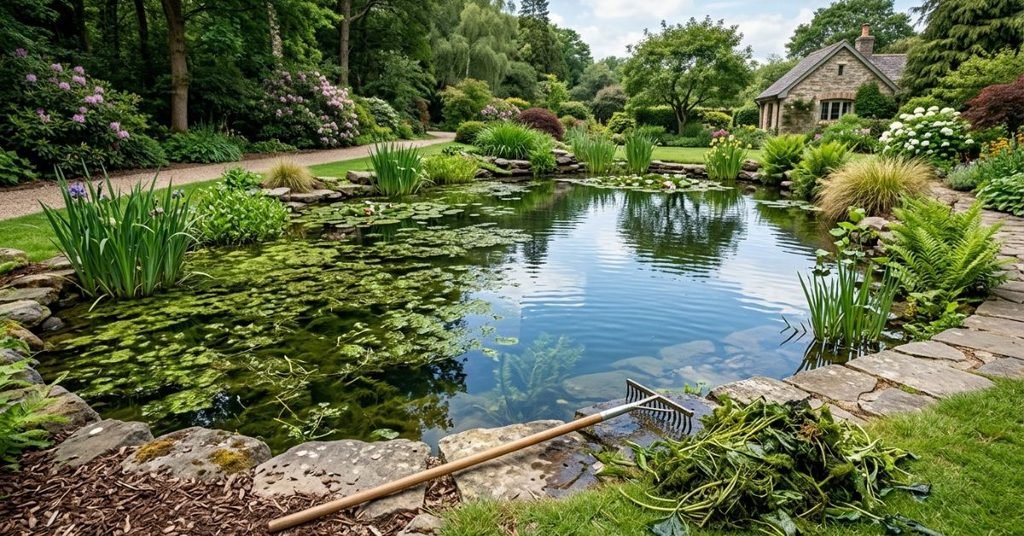
Have you noticed thick weeds spreading across your pond and taking over the water? Pond weeds can quickly turn a clean, attractive pond into an overgrown mess. They can block sunlight, reduce open water, and interfere with fish and other aquatic life.
Learning how to get rid of pond weeds is important for maintaining a healthy, balanced pond. Whether you own a backyard pond, a fishing pond, or a larger recreational pond, unwanted aquatic growth can become a frustrating problem. For beginners in the USA, choosing the right removal method can feel confusing. Some weeds respond to physical removal, while others require different control methods.
The good news is that you don’t need complicated equipment to manage most pond weed problems. In this guide, you’ll learn how to identify common pond weeds, remove them safely, and prevent them from growing back. We’ll also explore natural solutions, affordable control methods, and treatment options to help you keep your pond cleaner and healthier throughout the year.
What Is Pond Weed? (Identification, Types & Common Species)
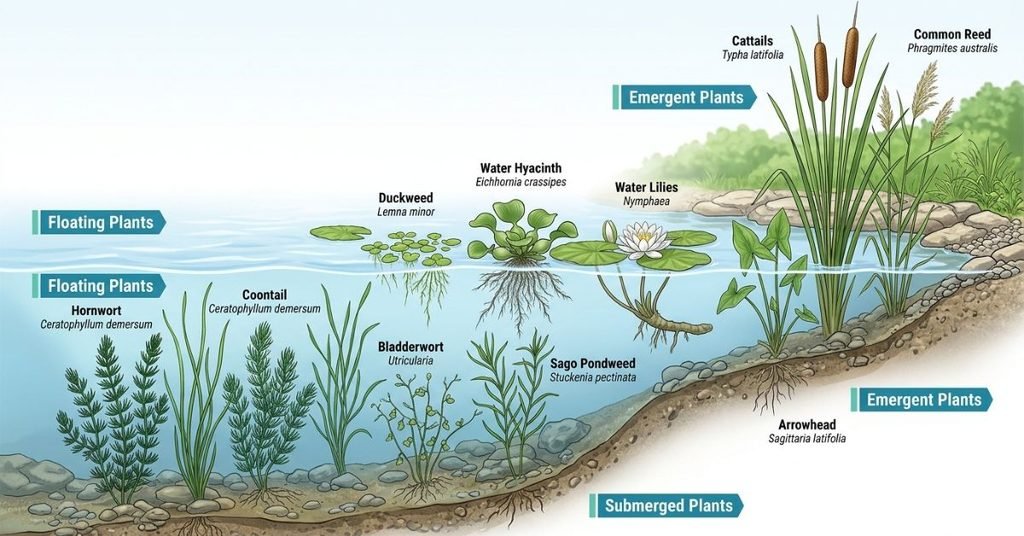
Pond weed refers to aquatic plants that grow in or around ponds. Some provide valuable shelter and food for wildlife. Others spread quickly and take over large areas of water. The term can describe many different plant species, including submerged, floating, and emergent vegetation.
Pond weeds grow in different ways depending on their species and environment. Some remain completely underwater, while others float on the surface or grow along pond edges. Their leaves, stems, flowers, and growth patterns help you identify them.
Understanding what pond weed is makes pond maintenance much easier. It also helps you distinguish unwanted growth from beneficial aquatic plants. This difference matters because not every plant in your pond needs removal.
In this section, you’ll learn what pond weeds look like, how to identify common species, and what types of aquatic vegetation you might find. You’ll also discover which plants can cause problems and which ones support a healthy pond ecosystem.
1. Pond Plants Guide (Common Types, Benefits & Identification)
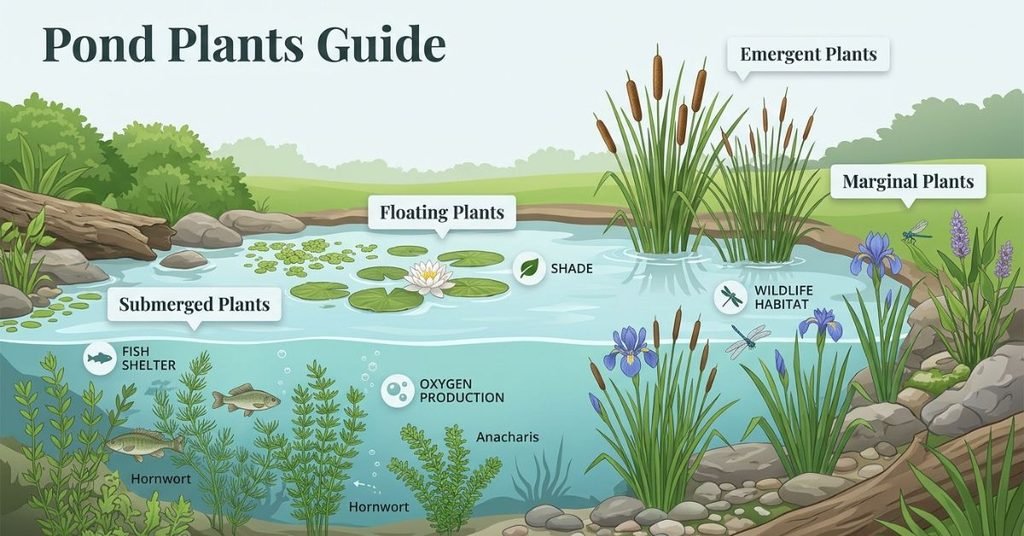
What plants grow in ponds, and how can you tell which ones are beneficial? Pond plants play an important role in freshwater ecosystems. They provide food, shelter, and breeding areas for fish, insects, frogs, and other wildlife.
Different pond plants grow in different conditions. Some float on the water, while others grow underwater or along the shoreline. Common examples include water lilies, cattails, duckweed, and pondweed. Each type has different growth habits and benefits.
Learning about pond plants helps you make better decisions about pond maintenance. Some plants improve water quality and support wildlife. Others can spread too quickly and create problems for pond owners.
In this guide, you’ll discover what pond plants are, which plants live in ponds and lakes, and how to identify common aquatic species. You’ll also learn the difference between beneficial pond plants and unwanted pond weeds.
2. Blanket Weed in Ponds: Removal, Treatment & Prevention
Have you noticed green, stringy material floating across your pond or collecting around its edges? You might be dealing with blanket weed. This fast-growing algae can form thick, tangled mats that affect your pond’s appearance.
Blanket weed often grows on pond surfaces, rocks, plants, and other underwater objects. It can become difficult to manage when conditions support excessive growth. Large mats may also interfere with pond maintenance and reduce open water.
Understanding blanket weed control starts with identifying the problem correctly. Not every green growth in a pond is blanket weed. Some aquatic plants provide important benefits and should not be removed unnecessarily.
This guide explains how to remove blanket weed, choose suitable treatment options, and prevent future growth. You’ll also learn about blanket weed killers, natural control methods, and whether blanket weed is good for ponds.
3. American Pondweed: Identification, Control & Removal
Have you spotted a plant with floating leaves and underwater stems spreading across your pond? It could be American pondweed. This aquatic plant grows in freshwater environments and can form dense underwater vegetation.
American pondweed provides food and shelter for fish and other aquatic wildlife. However, excessive growth can interfere with fishing, boating, swimming, and other pond activities. Its growth habits make proper identification important before choosing a control method.
Not every American pondweed population needs removal. The right approach depends on the plant’s coverage, pond conditions, and intended use. Incorrect treatment can also affect beneficial aquatic life.
In this guide, you’ll learn how to identify American pondweed, understand its growth habits, and explore practical control options. We’ll also explain what kills American pondweed and how to get rid of it without unnecessarily harming your pond ecosystem.
4. Watershield in Ponds: Identification & Removal
Have you noticed oval-shaped floating leaves covering parts of your pond? Watershield might be responsible. This aquatic plant grows in freshwater environments and often develops a distinctive coating on its underwater stems and leaf undersides.
Watershield provides habitat and food for certain aquatic organisms. Its floating leaves can also create shade across the water. However, dense growth may become inconvenient for pond owners who want more open water.
Before removing watershield, make sure you’ve identified it correctly. Several floating-leaf aquatic plants look similar. Their leaves, stems, and growth patterns can help you tell them apart.
This guide explains how to recognize watershield and understand where it grows. You’ll also learn how to get rid of watershield in ponds, explore suitable control methods, and prevent unwanted spread while protecting beneficial pond life.
5. Pond Grass Removal (Publish Only if SERP Is Different)
Is grass growing underwater or spreading around your pond and making maintenance difficult? Pond grass can refer to several different types of aquatic vegetation. Correct identification helps you choose an effective removal method.
Some pond owners use the term pond grass for submerged plants, shoreline grasses, or unwanted vegetation growing in shallow water. These plants can have very different growth habits. They may also require different control methods.
Removing the wrong plant can damage beneficial vegetation and disturb aquatic habitats. That’s why you should identify the growth before choosing a treatment. You should also consider whether the grass grows underwater, floats near the surface, or spreads along the pond edges.
In this guide, you’ll learn how to get rid of pond grass and manage unwanted growth. We’ll cover identification, physical removal, suitable control options, and prevention tips for maintaining cleaner pond water.
Conclusion
Keeping your pond healthy starts with understanding the plants growing in and around it. Identifying common pond weeds, choosing suitable removal methods, and protecting beneficial aquatic plants can make pond maintenance much easier.
Learning how to get rid of pond weeds helps you manage unwanted growth without unnecessarily disturbing your pond’s natural balance. Remember to identify each plant before choosing a treatment. The right pond weed control method depends on the species and your pond’s conditions.
With regular maintenance and careful planning, you can keep your pond cleaner and healthier throughout the year.
Have you dealt with stubborn pond weeds? Share your experience or favorite removal tips in the comments. Explore more pond care guides on our website for helpful advice.
Frequently Asked Questions About Pond Weeds
Find helpful answers to common questions about identifying, removing, and controlling pond weeds.
The fastest way to remove pond weeds depends on the species and how much of your pond they cover. For small areas, a pond rake or weed cutter can remove visible growth quickly. Larger infestations may require repeated removal or suitable aquatic herbicide treatments. Always identify the plant before choosing a control method.
No single treatment kills every type of pond weed permanently. Physical removal, aquatic herbicides, and nutrient management can help control unwanted growth. However, roots, seeds, and plant fragments may cause weeds to return. Regular monitoring and prevention provide better long-term control.
You can control some pond weeds naturally by removing them with a rake, cutting tool, or aquatic weed harvester. You can also reduce nutrient runoff by managing fertilizers and organic debris around your pond. Adding suitable native aquatic plants may help limit growing space for unwanted vegetation.
Manual removal is often the cheapest option for small ponds or limited weed growth. A pond rake, protective gloves, and a suitable collection net may be enough. For larger ponds, repeated manual removal can become time-consuming. Choose a method based on the weed species and affected area.
Some fish consume aquatic vegetation, but their feeding habits vary. Grass carp are well-known for eating certain submerged aquatic plants. However, they may not control every weed species. Check local regulations before introducing grass carp, as some states restrict their use.
Pond aeration does not directly kill most established pond weeds. It increases water movement and supports oxygen levels, which can benefit fish and other aquatic life. However, aeration alone cannot remove existing vegetation or prevent every type of weed from growing.
Copper sulfate mainly targets certain algae, not all true aquatic plants. It may help control some algae problems, but it is not a universal pond weed killer. Copper can also harm fish and aquatic organisms when misused. Check product labels and local regulations before considering treatment.
Standard Roundup products are not automatically safe or approved for aquatic use. Some formulations can harm fish and other aquatic organisms. Never apply a terrestrial herbicide directly to pond water. Only consider products specifically labeled for aquatic environments and follow all label instructions.
Salt can damage or kill some aquatic plants, but adding it to a pond can harm fish, beneficial plants, and other freshwater organisms. It can also change water chemistry. Avoid using salt as a general pond weed treatment, especially in ponds containing fish.
Preventing pond weeds requires regular maintenance and good nutrient management. Remove excessive plant growth before it spreads, reduce fertilizer runoff, and clear decaying organic material when appropriate. Monitor your pond throughout the growing season. Early action makes unwanted vegetation easier to manage.
Aquatic plants are vegetation that naturally grows in water or waterlogged areas. Pond weeds usually describes aquatic vegetation that grows excessively or creates maintenance problems. Many aquatic plants provide food, shelter, and habitat for wildlife. Therefore, not every plant growing in your pond is harmful.
Excessive pond weed growth can create problems for fish. Large amounts of vegetation and algae may contribute to oxygen fluctuations, especially when plant material dies and decomposes. Dense growth can also reduce open swimming areas. Maintaining a balanced amount of vegetation helps support a healthier pond environment.
Michael Brooks and Sarah Lane are the co-founders of the Pond Pump Team, a trusted U.S.-based group helping homeowners and landscapers build better ponds and water features. Michael, an experienced pond engineer from Oregon, has worked for over 12 years on pump sizing, flow systems, and water circulation. Sarah, a pond designer from Colorado with nine years of experience, focuses on eco-friendly and easy-to-maintain pond and waterfall designs. Together, they’ve completed more than 180 pond projects and created tools like the Pond Pump Calculator and Pond Liner Calculator to make pond planning simple, accurate, and sustainable.
Need help with your pond setup? Contact the Pond Pump Team for expert advice and reliable solutions.