Introduction
Water temperature plays a critical role in the health, behavior, and overall well-being of koi fish. It affects everything from feeding schedules and digestion to oxygen levels, disease resistance, and seasonal care. Even a few degrees of temperature change can impact how active your koi are and when they should be fed.
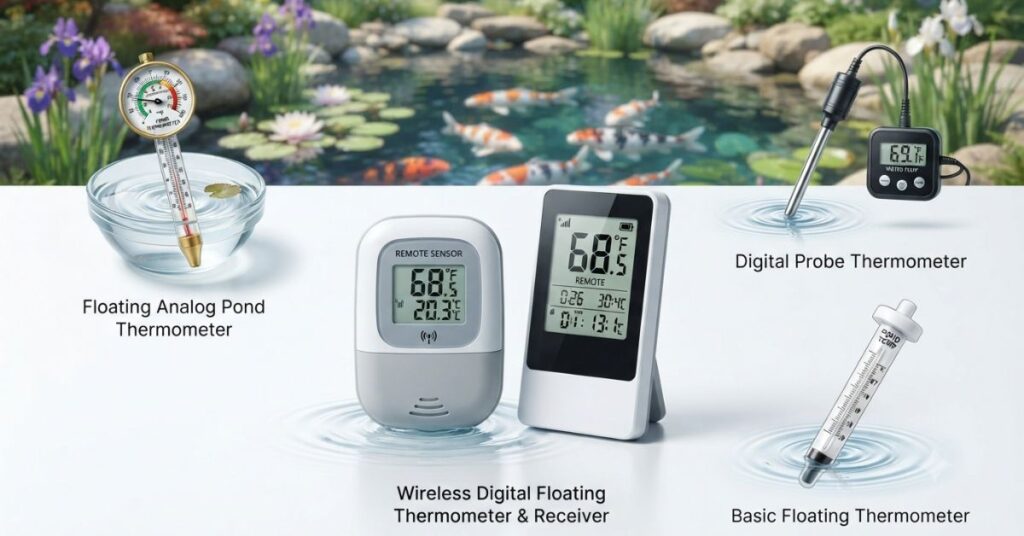
Instead of relying on guesswork, a reliable pond thermometer gives you accurate, real-time water temperature readings so you can make informed decisions year-round. Whether you prefer a digital, floating, wireless, or smart thermometer, choosing the right model helps you maintain a healthier pond environment.
In this guide, we’ve compared the best pond thermometers for koi ponds based on accuracy, ease of use, durability, and value. You’ll also learn what features to look for and how to choose the right thermometer for your pond and budget.
Maintaining a healthy koi pond requires more than just monitoring temperature. Regular water testing and proper salt management also play an important role in keeping your fish in the best condition. For more guidance, check out our reviews of the best pond water test kits for koi ponds, best pond salt meters for accurate salinity testing, and the best pond salt for koi ponds.
🏆 Quick Comparison Table
Compare our top-rated pond thermometers at a glance to find the best option for your koi pond, budget, and monitoring needs.
| Product | Best For | Type | Display |
|---|---|---|---|
| 🏆 TempPro Waterproof Wireless Pool Thermometer |
Best Overall Large Koi Ponds |
Wireless Digital | 📟 Remote LCD Display + Floating Sensor |
| 💰 eLander Large Floating Pool Thermometer |
Best Value Floating Thermometer |
Floating Analog | 🌡️ Large Dial (°F / °C) |
| 💵 AQUANEAT Digital Aquarium Thermometer |
Best Budget Small Ponds |
Digital Probe | 📱 Large LCD Screen |
| 🎨 Unipool Turtle Floating Thermometer |
Decorative Ponds Budget Choice |
Floating Analog | 🌡️ Large Dial (°F / °C) |
Our Top Picks
| Product Names | Features | ||
|
Our Top Pick
1
 |
🏆 Best Overall – TempPro Waterproof Wireless Pool Thermometer |
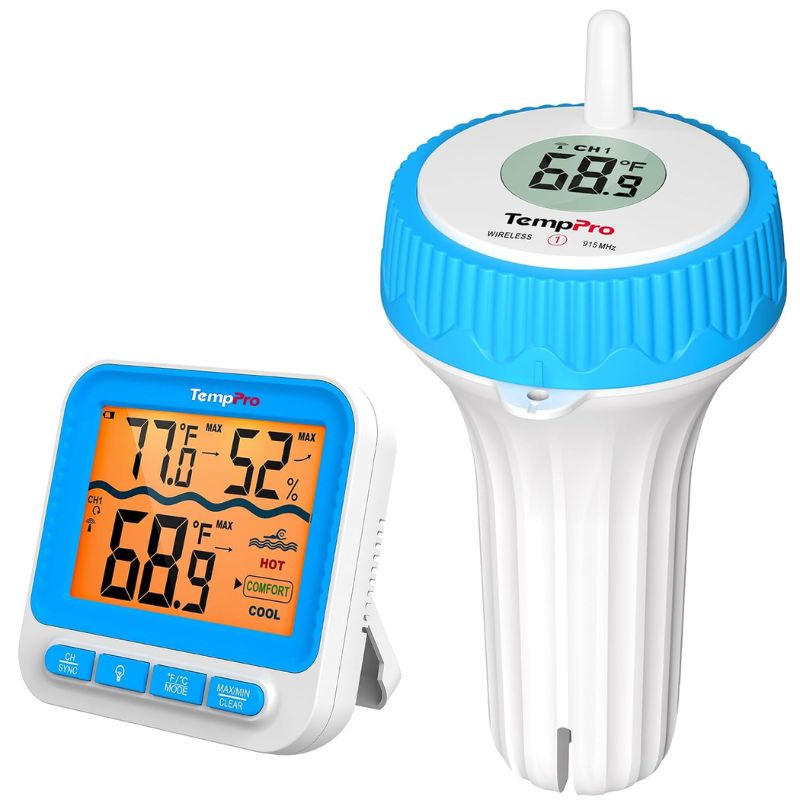
The TempPro Wireless Thermometer is our top choice for koi pond owners thanks to its accurate digital readings, long 500-foot wireless range, IPX8 waterproof design, and easy-to-read remote display. It's ideal for monitoring pond temperature year-round without leaving the house. |
|
|
Our Pick
2
 |
🌊 Best Floating Thermometer – eLander Large Floating Pool Thermometer |
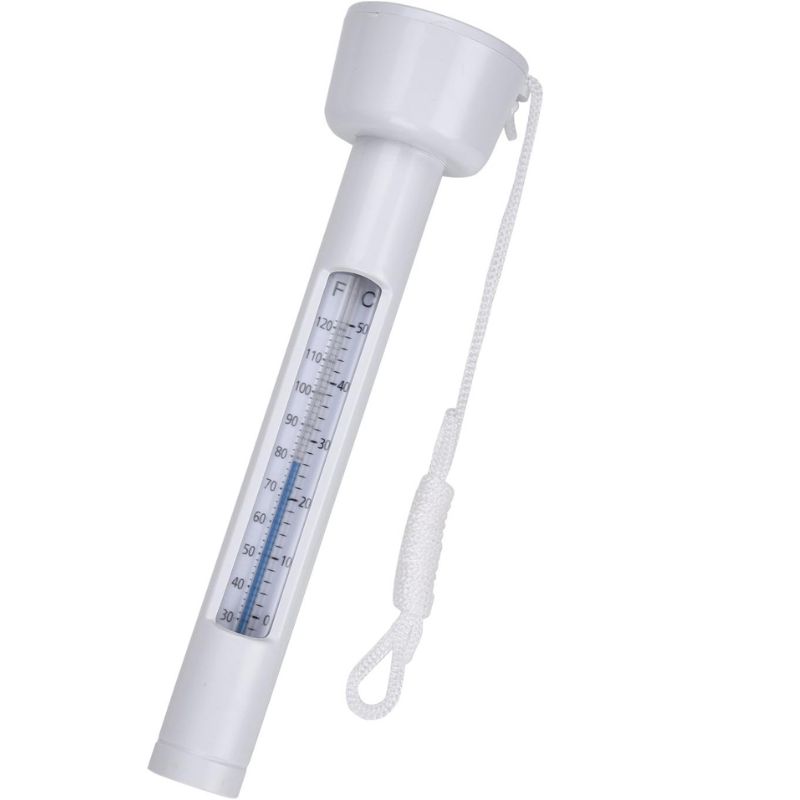
If you prefer a simple, battery-free solution, the eLander Floating Thermometer offers reliable temperature readings with a large, easy-to-read analog display. It's an excellent value for routine pond monitoring. |
|
|
Our Pick
3
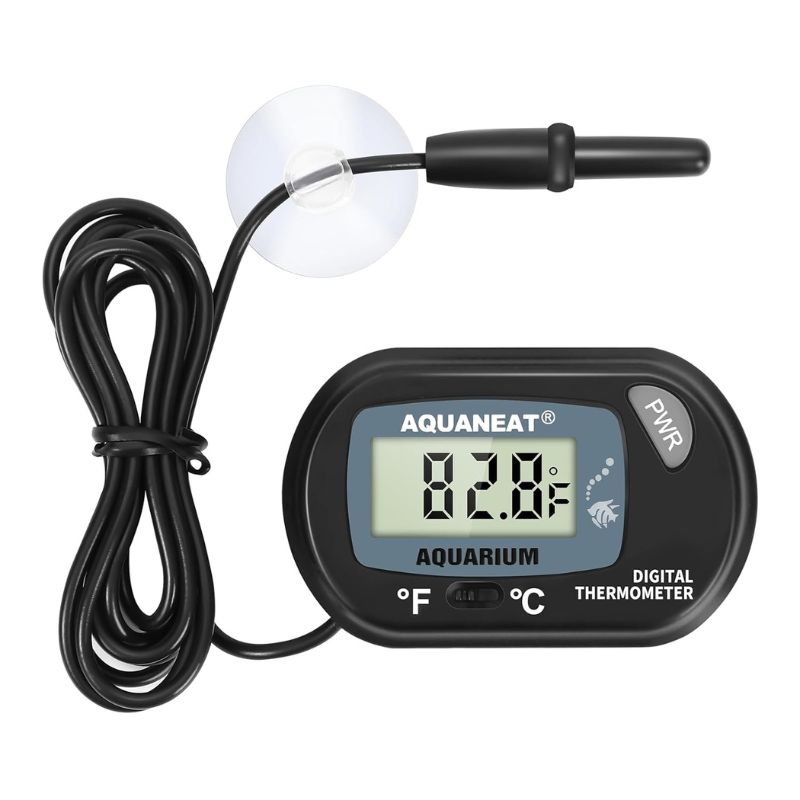 |
💻 Best Budget Digital – AQUANEAT Digital Aquarium Thermometer |
The AQUANEAT Digital Thermometer provides clear LCD readings at a very affordable price. While it's primarily designed for aquariums, it can also work well for small ponds where a basic digital temperature monitor is sufficient. |
Why Every Koi Pond Needs a Thermometer
A pond thermometer is one of the simplest yet most valuable tools for maintaining a healthy koi pond. Water temperature influences nearly every aspect of koi care, including feeding, metabolism, oxygen levels, immune function, and seasonal maintenance. Without accurate temperature readings, it’s easy to make decisions that can stress your fish or affect water quality.
Whether you choose a digital, wireless, or floating pond thermometer, regularly monitoring water temperature helps you respond to seasonal changes and keep your koi in the best possible condition.
Water Temperature Affects Fish Health
Koi are cold-water fish, which means their body temperature changes with the surrounding water. As temperatures rise or fall, their metabolism, immune system, and activity levels also change. Water that is too warm can reduce dissolved oxygen levels, while sudden drops in temperature may weaken your koi and make them more vulnerable to stress and disease.
Using a reliable pond thermometer allows you to monitor these changes early and take action before they become a problem.
Feeding Decisions Depend on Temperature
Water temperature is one of the most important factors when deciding how much and how often to feed koi. During warmer months, koi are more active and require regular feeding. As temperatures drop, their metabolism slows, and they need less food.
Feeding koi when the water is too cold can lead to poor digestion and unnecessary waste, which may reduce water quality. A pond thermometer helps you adjust your feeding schedule with confidence instead of relying on guesswork.
Seasonal Pond Management Requires Monitoring
Each season brings different challenges for pond owners. In summer, high water temperatures can lower oxygen levels and increase algae growth. During winter, cold water slows koi metabolism and requires changes to feeding and pond maintenance routines.
Regular temperature monitoring helps you make timely adjustments throughout the year, whether it’s increasing aeration during hot weather or preparing your pond for colder conditions.
Temperature Changes Can Stress Koi Fish
Koi tolerate gradual seasonal temperature changes well, but rapid fluctuations can cause significant stress. Sudden changes may affect their immune system, reduce appetite, and make them more susceptible to illness.
Checking your pond temperature regularly helps you spot unexpected changes caused by weather, heavy rainfall, or water changes. By monitoring temperature consistently, you can create a more stable environment that supports healthy, active koi throughout the year.
Best Pond Thermometers Reviewed
Choosing the right pond thermometer can make a significant difference in maintaining a healthy environment for your koi. The best models provide accurate temperature readings, are easy to use, and help you make informed decisions about feeding, seasonal care, and overall pond maintenance.
Below, we’ve reviewed our top picks for the best pond thermometers for koi ponds. Each recommendation has been evaluated based on accuracy, ease of use, durability, features, and overall value to help you find the right thermometer for your pond and budget.
TempPro Waterproof Wireless Pool Thermometer
The TempPro Waterproof Wireless Pool Thermometer is our top overall recommendation for koi pond owners who want accurate, convenient temperature monitoring. Its floating waterproof sensor continuously measures water temperature and transmits readings to a wireless indoor receiver from up to 500 feet away. With a bright backlit display, high accuracy, and durable IPX8 waterproof construction, it makes checking your pond temperature quick and effortless throughout the year.
TempPro Waterproof Wireless Pool Thermometer
A premium wireless pond thermometer that delivers highly accurate water temperature monitoring from up to 500 feet away. Perfect for koi pond owners who want reliable, year-round monitoring without walking outside every time.
✅ Pros
- Highly accurate temperature readings
- Monitor pond temperature from inside your home
- Large backlit LCD display
- Durable IPX8 waterproof construction
- Quick setup with batteries included
- Excellent for year-round pond monitoring
⚠️ Cons
- More expensive than basic floating thermometers
- Requires batteries for both transmitter and receiver
🎯 Best For
💎 Our Verdict
If you're looking for the most accurate and convenient pond thermometer available, this is our top recommendation. The long-range wireless connection, waterproof floating sensor, backlit LCD receiver, and excellent accuracy make it one of the best thermometers for serious koi pond owners.
eLander Large Floating Pool Thermometer
The eLander Large Floating Pool Thermometer is an excellent choice for pond owners who prefer a simple, battery-free thermometer. It floats on the water for easy access and features a large analog display that can be read quickly in both Fahrenheit and Celsius. Its durable, shatter-resistant construction makes it well suited for everyday outdoor pond use.
Floating Analog Pond Thermometer
A simple and affordable floating pond thermometer designed for everyday temperature checks. With a large easy-to-read scale, durable construction, and no batteries required, it is a reliable choice for basic pond monitoring.
✅ Pros
- Very affordable compared with digital models
- Large display is easy to read
- No batteries or setup required
- Durable floating design
- Reliable for routine temperature monitoring
⚠️ Cons
- No remote temperature monitoring
- Less precise than digital thermometers
- Does not store temperature history or memory
🎯 Best For
💎 Our Verdict
This floating analog pond thermometer is an excellent option for pond owners who need a simple and affordable way to check water temperature. While it lacks advanced features like wireless monitoring and temperature memory, its durable design, easy-to-read scale, and battery-free operation make it a dependable choice for everyday pond maintenance.
AQUANEAT Digital Aquarium Thermometer
The AQUANEAT Digital Thermometer offers an inexpensive way to monitor water temperature with a clear LCD display and external probe. Although it's designed primarily for aquariums, it can also be used for small ponds or quarantine tanks where a compact digital thermometer is sufficient.
AQUANEAT Digital Aquarium Thermometer
A compact and affordable digital thermometer featuring an external waterproof probe for quick and accurate temperature monitoring. Ideal for small ponds, quarantine tanks, and pond owners who need a simple digital solution without spending more on advanced models.
✅ Pros
- Very affordable compared with premium thermometers
- Easy-to-read digital display
- Simple installation and operation
- Provides accurate temperature readings
- Compact and lightweight design
⚠️ Cons
- Mainly designed for aquarium use
- Display unit itself is not waterproof
- Not recommended for permanent outdoor exposure
- Does not have a floating thermometer design
🎯 Best For
💎 Our Verdict
The AQUANEAT Digital Aquarium Thermometer is a practical budget option for pond owners who need accurate temperature readings without investing in expensive wireless models. Its waterproof probe, clear LCD display, and simple installation make it a good choice for small ponds and temporary monitoring setups. However, users with large outdoor ponds may prefer a dedicated floating or wireless thermometer for long-term use.
Unipool Turtle Floating Thermometer
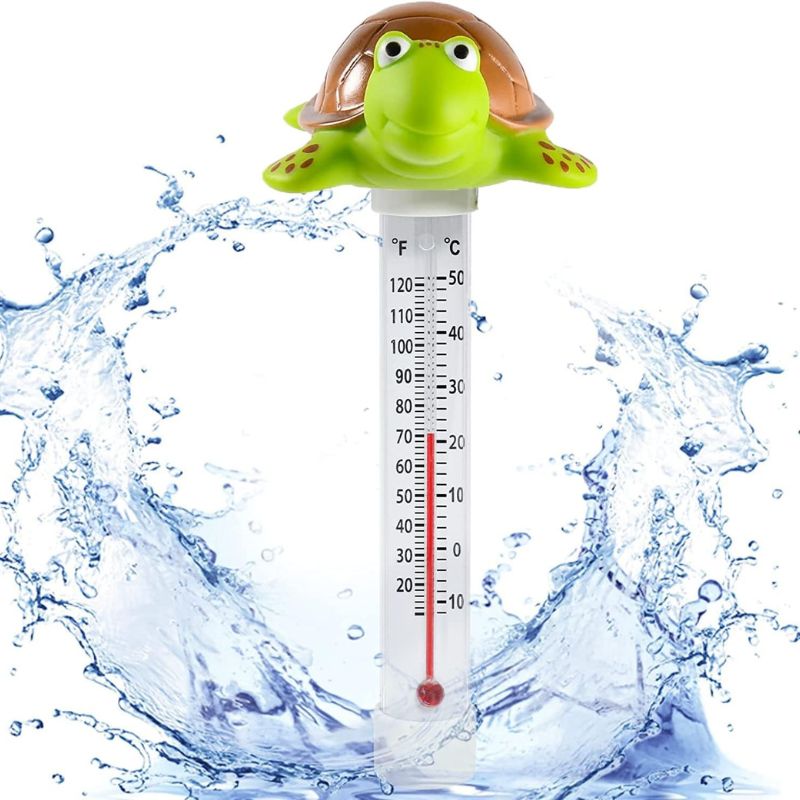
The Unipool Turtle Floating Thermometer provides dependable temperature readings at one of the lowest prices in this guide. Its fun turtle-shaped floating design, durable construction, and large analog display make it a practical option for casual pond owners who simply want an easy way to monitor water temperature.
Floating Turtle Pond Thermometer
A budget-friendly floating pond thermometer designed for simple and reliable temperature checks. Its decorative turtle design, large analog display, and durable construction make it a practical choice for beginners and everyday pond monitoring.
✅ Pros
- Lowest-priced option for budget-conscious buyers
- Very simple and easy to operate
- Durable floating construction
- Large temperature display is easy to read
- Excellent value for beginner pond owners
⚠️ Cons
- Analog display only
- Slower temperature reading compared with digital models
- No wireless or remote monitoring capability
- Limited advanced features
🎯 Best For
💎 Our Verdict
This floating turtle pond thermometer is an excellent choice for anyone who wants a simple and affordable way to monitor pond temperature. Although it lacks digital accuracy, remote monitoring, and advanced features, its durable construction, easy-to-read display, and battery-free operation make it a dependable thermometer for basic everyday pond care.
Floating vs Digital vs Wireless Pond Thermometers
Choosing the right pond thermometer depends on your pond size, budget, and how you prefer to monitor water temperature. While all three types measure water temperature, they differ in convenience, accuracy, and features.
Floating Thermometers
Floating pond thermometers are the simplest option. They rest on the water’s surface and provide quick temperature readings without requiring batteries or installation.
Advantages
-
Affordable and easy to use
-
No batteries or electronics required
-
Floats for quick access
-
Durable and low maintenance
-
Ideal for routine temperature checks
Disadvantages
-
Usually measures surface temperature only
-
No remote monitoring
-
Less precise than digital models
-
No temperature history or memory
Digital Thermometers
Digital pond thermometers use electronic sensors to provide more accurate readings than traditional analog models. Many include an external probe that measures water temperature below the surface.
Advantages
-
More accurate temperature readings
-
Easy-to-read LCD display
-
Faster response time
-
Suitable for year-round monitoring
-
Some models measure deeper water temperatures
Disadvantages
-
Requires batteries
-
Electronic components need protection from moisture
-
Usually costs more than analog thermometers
Wireless Thermometers
Wireless pond thermometers use a floating sensor that transmits temperature readings to an indoor receiver. They allow you to monitor pond temperature without going outside, making them especially useful during winter or for larger ponds.
Advantages
-
Monitor water temperature remotely
-
Highly accurate digital readings
-
Convenient for large ponds
-
Easy-to-read indoor display
-
Some models store maximum and minimum temperatures
Disadvantages
-
Higher purchase price
-
Requires batteries for both sensor and receiver
-
Wireless range may vary depending on obstacles
Which Type Is Best for Koi Ponds?
For most koi pond owners, a wireless digital pond thermometer offers the best combination of accuracy and convenience. It provides reliable readings without requiring you to visit the pond each time you want to check the water temperature.
If you’re looking for a simple and affordable option, a floating thermometer is ideal for routine monitoring. A digital thermometer is a great middle ground, offering improved accuracy at a lower cost than most wireless models.
What Water Temperature Is Safe for Koi Fish?
Maintaining the correct water temperature is one of the most important parts of koi care. Temperature affects feeding, metabolism, oxygen demand, and overall fish health. Regular monitoring helps you make informed decisions throughout the year.
Ideal Temperature Range
The ideal water temperature for koi fish is 60°F to 75°F (15.5°C to 24°C). Within this range, koi remain active, digest food efficiently, and maintain a healthy immune system.
| Water Temperature | Koi Activity |
|---|---|
| Below 40°F (4°C) | Minimal activity; avoid feeding |
| 40–50°F (4–10°C) | Very slow metabolism |
| 50–60°F (10–15.5°C) | Feed lightly with appropriate food |
| 60–75°F (15.5–24°C) | Ideal range for growth and feeding |
| Above 80°F (27°C) | Increased oxygen stress; monitor closely |
Summer Temperature Concerns
Warm water naturally holds less dissolved oxygen. During hot summer weather, koi may become stressed if water temperatures rise too high. Increasing aeration, providing shade, and monitoring temperature regularly can help maintain a healthier pond environment.
Winter Temperature Concerns
As water cools, koi become less active and their metabolism slows significantly. During winter, they require less food and should not be disturbed unnecessarily. A pond thermometer helps you determine when seasonal care adjustments are needed.
When to Adjust Feeding
Rather than feeding on a fixed schedule, adjust feeding based on water temperature.
-
Above 60°F (15.5°C): Feed normally with a quality koi food.
-
50–60°F (10–15.5°C): Reduce feeding frequency and portions.
-
Below 50°F (10°C): Feed sparingly or switch to easily digestible cold-water food if recommended.
-
Below 40°F (4°C): Most koi owners stop feeding because digestion becomes extremely slow.
Common Mistakes When Using Pond Thermometers
Even the best pond thermometer is only useful when used correctly. Avoiding these common mistakes helps ensure accurate readings and better decisions for your koi pond.
Measuring Surface Water Only
Surface water can warm or cool much faster than deeper water, especially during sunny afternoons or cold nights. For more reliable readings, measure the temperature below the surface whenever possible or use a thermometer with a submerged sensor.
Ignoring Seasonal Changes
Checking pond temperature only during extreme weather isn’t enough. Seasonal changes happen gradually, and regular monitoring helps you adjust feeding, aeration, and maintenance before problems develop.
Using Inaccurate Thermometers
Low-quality or poorly calibrated thermometers may provide inaccurate readings, making it difficult to manage your pond effectively. Choose a reliable thermometer designed for outdoor water use.
Not Checking Readings Regularly
Water temperature can change quickly due to weather, rainfall, or water changes. Checking your pond temperature several times a week—or daily during extreme weather—helps you respond before sudden changes affect your koi.
Pond Thermometer Buying Guide
Choosing the right pond thermometer depends on your pond size, monitoring needs, and budget. Consider the following features before making your decision.
Accuracy
Look for a thermometer that provides consistent and reliable readings. Digital models generally offer greater precision than analog thermometers, making them a better choice for serious koi keepers.
Display Readability
A large, easy-to-read display makes checking water temperature much easier, especially outdoors. Backlit digital displays are particularly helpful during early mornings, evenings, or cloudy weather.
Wireless Connectivity
If you have a large pond or prefer monitoring from indoors, a wireless pond thermometer allows you to view water temperature without walking outside. This feature is especially convenient during winter and bad weather.
Battery Life
Digital and wireless thermometers rely on batteries, so longer battery life reduces maintenance. Choosing models with efficient power consumption can save time and reduce replacement costs.
Waterproof Design
A pond thermometer should be built to withstand constant exposure to water and outdoor conditions. Waterproof construction improves durability and helps ensure long-term reliability.
Sensor Depth
Some thermometers measure only surface water, while others use submerged probes or floating sensors that provide more representative water temperature readings. For deeper ponds, models that measure below the surface often provide more accurate results.
Ease of Installation
The best pond thermometers are simple to install and require little maintenance. Floating models are ready to use immediately, while wireless models typically need only a quick setup before monitoring begins.
Budget Considerations
Choose a thermometer that matches your needs rather than simply selecting the least expensive option. Basic floating thermometers are suitable for routine monitoring, while digital and wireless models offer greater accuracy, convenience, and additional features for dedicated koi pond owners.
Final Verdict
Choosing the best pond thermometer ultimately depends on your pond size, budget, and the features you value most. While every product in this guide can help you monitor water temperature, some stand out for their accuracy, convenience, and overall value.
🏆 Best Overall: TempPro Waterproof Wireless Pool Thermometer
If you want the best all-around pond thermometer, the TempPro is our top recommendation. Its accurate digital readings, IPX8 waterproof floating sensor, 500-foot wireless range, and easy-to-read indoor display make it an excellent choice for year-round koi pond monitoring.
📡 Best Wireless Option: TempPro Waterproof Wireless Pool Thermometer
For pond owners who prefer checking water temperature from inside the house, the TempPro offers dependable wireless performance and eliminates the need to walk outside in hot, cold, or rainy weather.
💰 Best Budget Choice: Unipool Turtle Floating Thermometer
The Unipool Turtle Thermometer is an affordable option that provides reliable temperature readings without batteries or complicated setup. It’s ideal for beginners and casual pond owners looking for a simple floating thermometer.
🌊 Best Floating Thermometer: eLander Large Floating Pool Thermometer
If you prefer a traditional floating thermometer, the eLander offers an easy-to-read analog display, durable construction, and excellent value for everyday pond temperature monitoring.
No matter which thermometer you choose, regularly monitoring your pond’s water temperature helps you make better feeding decisions, prepare for seasonal changes, and maintain a healthier environment for your koi throughout the year.
Frequently Asked Questions
Still have questions about choosing the right pond thermometer? Here are answers to some of the most common questions about thermometer types, accuracy, ideal koi water temperatures, and how to monitor your pond effectively throughout the year.
What is the best pond thermometer for koi ponds?
The TempPro Waterproof Wireless Pool Thermometer is our top recommendation for most koi pond owners. It combines accurate digital readings, a floating waterproof sensor, a 500-foot wireless range, and an easy-to-read indoor display, making it an excellent choice for year-round pond temperature monitoring.
Are wireless pond thermometers accurate?
Yes. High-quality wireless pond thermometers are generally very accurate and are ideal for monitoring koi ponds. Many models provide readings within approximately ±0.9°F (±0.5°C), allowing you to monitor water temperature remotely without sacrificing accuracy.
Is a floating pond thermometer accurate enough?
For routine pond maintenance, a floating pond thermometer is accurate enough for most pond owners. It offers a simple and affordable way to monitor seasonal temperature changes, while digital models provide greater precision for those who want more detailed readings.
What temperature is ideal for koi fish?
The ideal water temperature for koi fish is 60°F to 75°F (15.5°C to 24°C). Within this range, koi remain active, digest food efficiently, and maintain a strong immune system.
Can I use a pool thermometer in a pond?
Yes. Many floating and wireless pool thermometers work perfectly well in koi ponds as long as they are waterproof and designed for continuous outdoor water use. Several of the products recommended in this guide are suitable for both pools and ponds.
How often should I check pond temperature?
Check your pond temperature at least once a day during periods of changing weather and several times each week during stable conditions. Daily monitoring is especially important during summer heat waves, winter cold spells, and after major water changes.
Are smart pond thermometers worth it?
Smart pond thermometers can be worthwhile if you want smartphone monitoring, automatic alerts, and temperature history. However, for most koi pond owners, a quality wireless digital thermometer provides excellent accuracy and convenience without the added cost of smart connectivity.

Michael Brooks and Sarah Lane are the co-founders of the Pond Pump Team, a trusted U.S.-based group helping homeowners and landscapers build better ponds and water features. Michael, an experienced pond engineer from Oregon, has worked for over 12 years on pump sizing, flow systems, and water circulation. Sarah, a pond designer from Colorado with nine years of experience, focuses on eco-friendly and easy-to-maintain pond and waterfall designs. Together, they’ve completed more than 180 pond projects and created tools like the Pond Pump Calculator and Pond Liner Calculator to make pond planning simple, accurate, and sustainable.
Need help with your pond setup? Contact the Pond Pump Team for expert advice and reliable solutions.