Introduction
Healthy ponds rely on more than just clean-looking water—they depend on billions of beneficial bacteria working behind the scenes. These naturally occurring microbes help break down fish waste, uneaten food, and decaying organic matter while supporting the biological filtration that keeps pond water balanced and safe for fish.
Without enough beneficial bacteria, harmful substances like ammonia and nitrite can build up, sludge can accumulate on the pond bottom, water may become cloudy, and excess nutrients can contribute to algae growth. Choosing the right beneficial bacteria product can make routine pond maintenance easier while improving water clarity and creating a healthier environment for koi, goldfish, and aquatic plants.
In this guide, we’ve reviewed the best beneficial bacteria for ponds to help you find the right option for your needs, whether you maintain a koi pond, goldfish pond, or decorative garden pond. To create our recommendations, we evaluated each product based on bacterial effectiveness, sludge reduction, fish safety, ease of application, cold-water performance, overall value, brand reputation, and verified customer feedback, so you can buy with confidence.
Quick Answer
If you’re short on time, here are our top recommendations for the best beneficial bacteria for ponds:
-
🏆 Best Overall: Aquascape Beneficial Bacteria Concentrate (1.1 lb)
-
💰 Best Budget: Aquascape Dry Beneficial Bacteria (4.4 oz)
-
⭐ Best Premium: MICROBE-LIFT PL Pond & Water Garden Cleaner
-
🐟 Best for Koi Ponds: Aquascape Beneficial Bacteria Concentrate
-
🌿 Best for Large Ponds: Airmax PondClear Packets
The best beneficial bacteria for ponds depends on your pond size, maintenance goals, and fish load. For most pond owners, Aquascape Beneficial Bacteria Concentrate offers the best balance of biological filtration support, water clarity, fish safety, and overall value, while the other products excel in specific situations such as large ponds, budget-friendly maintenance, or premium pond care.
Aquascape Beneficial Bacteria Concentrate (1.1 lb)
- Form: Granules
- Treats: Biological balance, cloudy water, sludge & organic waste
- Fish Safe: ✅ Yes
- Rating: ⭐⭐⭐⭐⭐ (4.5/5)
Aquascape Dry Beneficial Bacteria (4.4 oz)
- Form: Powder
- Treats: Biological balance, water clarity & routine maintenance
- Fish Safe: ✅ Yes
- Rating: ⭐⭐⭐⭐⭐ (4.5/5)
MICROBE-LIFT PL Pond Cleaner
- Form: Liquid
- Treats: Organic waste, ammonia, sludge & cloudy water
- Fish Safe: ✅ Yes
- Rating: ⭐⭐⭐⭐⭐ (4.5/5)
Airmax PondClear Packets
- Form: Water-Soluble Packets
- Treats: Cloudy water, excess nutrients & odors
- Fish Safe: ✅ Yes
- Rating: ⭐⭐⭐⭐☆ (4.1/5)
Airmax MuckAway
- Form: Tablets/Pellets
- Treats: Pond muck, sludge & foul odors
- Fish Safe: ✅ Yes
- Rating: ⭐⭐⭐⭐☆ (4.3/5)
Best Beneficial Bacteria for Ponds Reviewed
Choosing the right beneficial bacteria can make a significant difference in your pond’s water quality, biological filtration, and overall ecosystem health. While all of the products in this guide are designed to support beneficial microbial activity, they vary in formulation, treatment capacity, ease of application, and intended use. Some are ideal for routine pond maintenance, while others excel at reducing sludge, improving water clarity, or supporting heavily stocked koi ponds.
To help you find the best option, we compared each product based on biological effectiveness, bacteria quality, fish safety, treatment coverage, value for money, and real-world customer feedback. Below are our detailed reviews of the top beneficial bacteria for ponds, highlighting their strengths, limitations, and the types of ponds they’re best suited for.
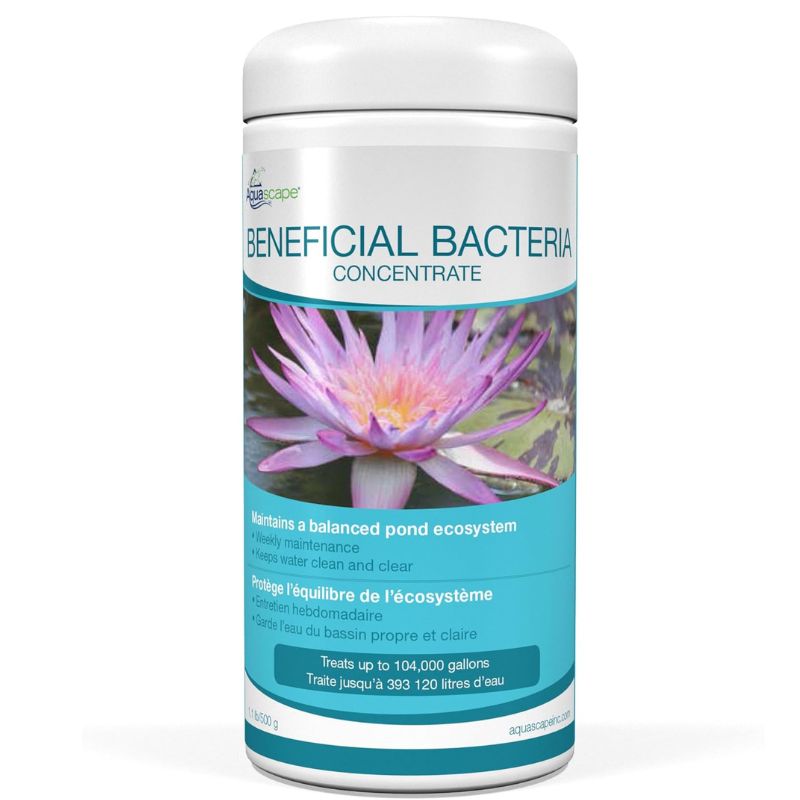
Aquascape Beneficial Bacteria Concentrate (1.1 lb)
Aquascape Beneficial Bacteria Concentrate is our top overall choice for pond owners looking to maintain clean, clear, and healthy water. Its concentrated granular formula contains eight pure strains of beneficial bacteria, along with PSB bacteria and enzymes that help break down organic waste, improve biological filtration, and support a balanced pond ecosystem. Unlike products that focus only on water clarity, this formula is designed to promote long-term biological stability while also helping reduce cloudy water and organic debris. Added marigold and vitamin B provide extra support for fish health, making it an excellent option for koi ponds, goldfish ponds, and decorative water gardens. With enough product to treat up to 104,000 gallons, it also offers outstanding value for pond owners who need a reliable maintenance solution throughout the season.
Specifications
| Form | Granules |
| Coverage | Treats up to 104,000 gallons |
| Suitable Pond Size | Small, medium, and large ponds |
| Works in Cold Water | Not specifically stated by the manufacturer |
| Safe for Koi | ✅ Yes |
| Safe for Aquatic Plants | ✅ Yes |
| Shelf Life | Not specified by the manufacturer |
Key Features
- Contains 8 concentrated strains of beneficial bacteria.
- Includes PSB bacteria and natural enzymes.
- Helps maintain biological balance for healthier pond water.
- Improves water clarity by helping fine debris settle.
- Supports fish health with marigold and vitamin B.
- Suitable for koi ponds, goldfish ponds, and water gardens.
- Treats up to 104,000 gallons for excellent long-term value.
Pros
- Highly concentrated bacteria formula.
- Supports healthy biological filtration.
- Helps reduce organic waste and cloudy water.
- Safe for fish, plants, and pond ecosystems.
- Excellent treatment capacity for the price.
- Trusted Aquascape brand with consistently positive customer feedback.
Cons
- Requires measuring before each application.
- Cold-water performance is not specified by the manufacturer.
⭐ Why We Recommend It
Best For
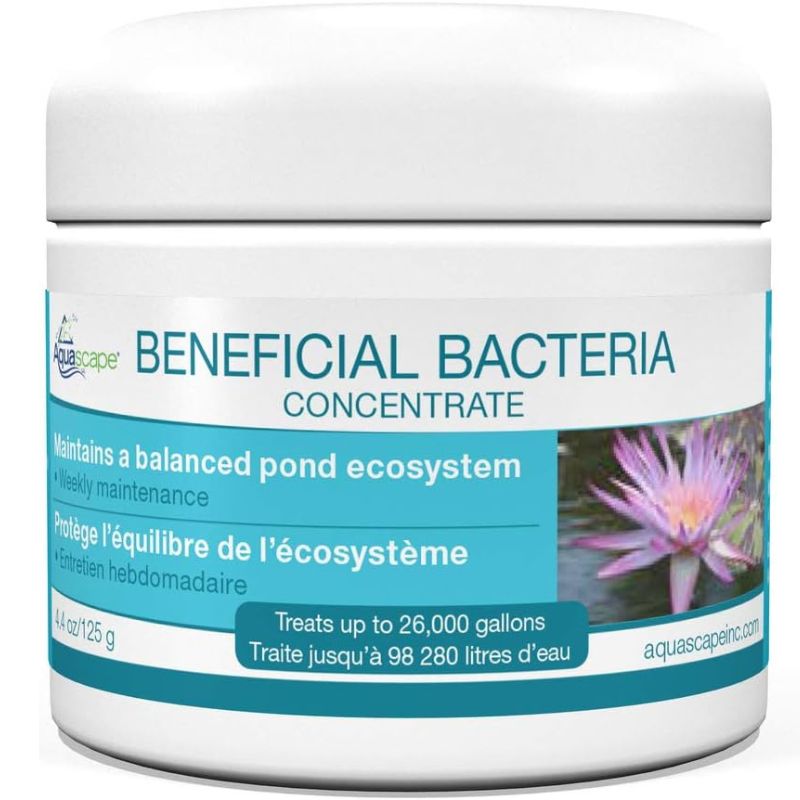
Aquascape Dry Beneficial Bacteria (4.4 oz)
Aquascape Dry Beneficial Bacteria is an excellent budget-friendly option for pond owners who want to maintain healthy water quality without investing in a large container. Although it comes in a smaller package, it uses the same proven blend of eight beneficial bacterial strains, PSB bacteria, and enzymes found in the larger concentrate. This formula helps support biological filtration, improve water clarity, and break down organic waste while promoting a balanced pond ecosystem. Its compact size makes it ideal for small koi ponds, goldfish ponds, decorative water gardens, and first-time pond owners looking for an affordable maintenance solution.
Specifications
| Form | Powder |
| Coverage | Treats up to 26,000 gallons |
| Suitable Pond Size | Small to medium ponds |
| Works in Cold Water | Not specifically stated by the manufacturer |
| Safe for Koi | ✅ Yes |
| Safe for Aquatic Plants | ✅ Yes |
| Shelf Life | Not specified by the manufacturer |
Key Features
- Contains 8 concentrated strains of beneficial bacteria.
- Includes PSB bacteria and natural enzymes.
- Helps maintain a healthy biological balance.
- Supports clear, healthy pond water.
- Contains marigold and vitamin B to support fish health.
- Compact package designed for smaller ponds.
- Easy to store between applications.
Pros
- Affordable entry-level option.
- Uses the same bacteria blend as the larger concentrate.
- Supports healthy biological filtration.
- Safe for koi, goldfish, and aquatic plants.
- Ideal for routine pond maintenance.
- Trusted Aquascape quality.
Cons
- Smaller treatment capacity than the larger concentrate.
- Requires measuring before each application.
⭐ Why We Recommend It
Best For
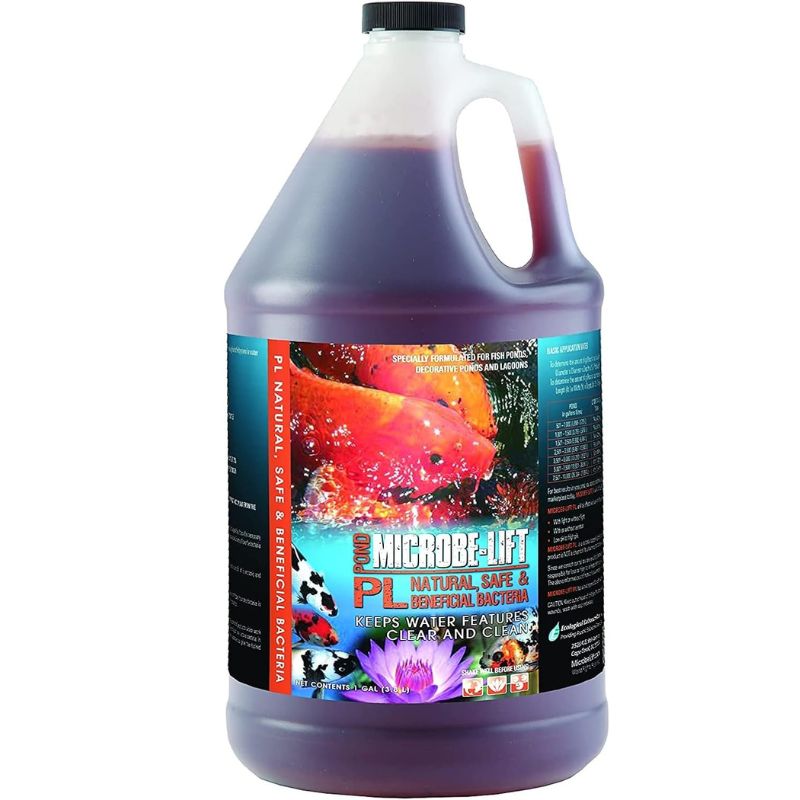
MICROBE-LIFT PL Pond & Water Garden Cleaner
MICROBE-LIFT PL is a premium liquid beneficial bacteria treatment designed to improve pond water quality while reducing long-term maintenance. Its specialized microbial formula accelerates the breakdown of fish waste, leaves, sludge, and other organic debris while improving biological filter efficiency. It also helps reduce ammonia and unpleasant odors, making it an excellent choice for heavily stocked koi ponds and decorative water gardens. Unlike many bacteria products, MICROBE-LIFT PL remains effective across a wide range of pH conditions and continues working even in cooler water, providing dependable performance throughout much of the year.
Specifications
| Form | Liquid |
| Coverage | Varies by dosage schedule |
| Suitable Pond Size | Small, medium, and large ponds |
| Works in Cold Water | ✅ Yes (Below 55°F) |
| Safe for Koi | ✅ Yes |
| Safe for Aquatic Plants | ✅ Yes |
| Shelf Life | Not specified by the manufacturer |
Key Features
- Premium liquid beneficial bacteria formula.
- Helps reduce ammonia and organic sludge naturally.
- Supports efficient biological filtration.
- Improves water clarity by reducing cloudy water.
- Controls unpleasant pond odors.
- Works effectively in cooler water temperatures.
- Safe for koi, goldfish, aquatic plants, pets, and wildlife.
Pros
- Premium liquid bacteria formulation.
- Supports healthy biological filter performance.
- Works effectively in cool water conditions.
- Helps reduce ammonia and sludge naturally.
- Simple liquid application with no mixing required.
- Trusted MICROBE-LIFT pond care quality.
Cons
- Higher price than most dry bacteria formulas.
- Large bottle requires additional storage space.
⭐ Why We Recommend It
Best For
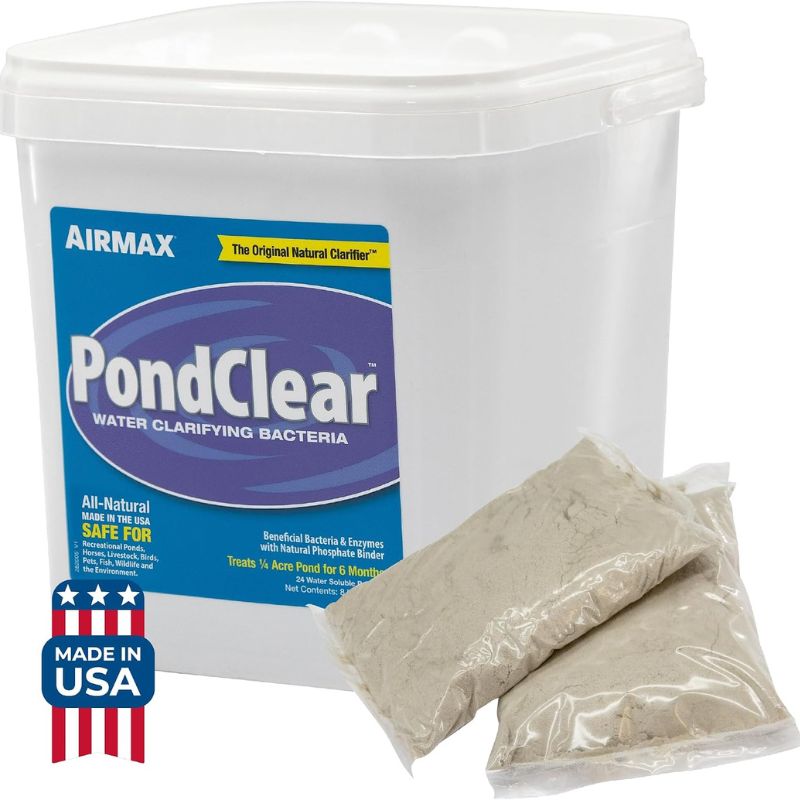
Airmax PondClear Packets
Airmax PondClear Packets are designed for pond owners who want convenient, mess-free maintenance for larger ponds. Each pre-measured packet contains beneficial bacteria, enzymes, and EcoBoost PRx phosphate binder to help improve water clarity by reducing suspended organic debris and excess nutrients. Simply toss a packet into the pond without measuring, making routine maintenance quick and easy. While its primary strength is water clarification, it also supports overall pond health and helps maintain cleaner water throughout the season.
Specifications
| Form | Water-soluble packets |
| Coverage | Large ponds (varies by package size) |
| Suitable Pond Size | Medium to large ponds |
| Works in Cold Water | Recommended above 50°F |
| Safe for Koi | ✅ Yes |
| Safe for Aquatic Plants | ✅ Yes |
| Shelf Life | Not specified by the manufacturer |
Key Features
- Pre-measured water-soluble packets for mess-free dosing.
- Contains beneficial bacteria and natural enzymes.
- Includes EcoBoost PRx phosphate binder.
- Helps improve water clarity and overall pond appearance.
- Reduces unpleasant pond odors.
- No measuring or mixing required.
- Simple maintenance schedule for ongoing pond care.
Pros
- Extremely easy to use with pre-measured packets.
- Excellent for improving cloudy water.
- Convenient, mess-free application.
- Supports cleaner, healthier pond water.
- Safe for koi, aquatic plants, fish, and wildlife.
- Ideal for medium and large ponds.
Cons
- Higher price than many dry bacteria treatments.
- Focuses more on water clarity than biological cycling.
⭐ Why We Recommend It
Best For
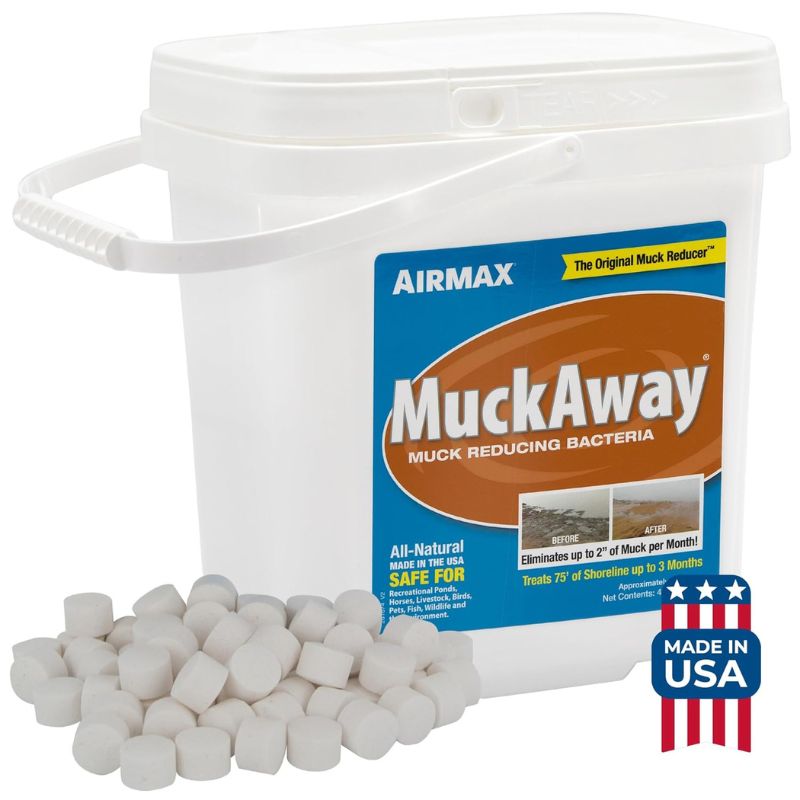
Airmax MuckAway
Airmax MuckAway is a specialized beneficial bacteria treatment formulated to target accumulated pond sludge and organic muck rather than serving as a general biological maintenance product. Its naturally occurring bacteria, enzymes, and micronutrients sink directly to the pond bottom, where they digest decaying organic matter and help reduce foul odors. Developed through decades of field research, MuckAway is particularly effective for ponds, lakes, shorelines, and farm ponds with heavy organic buildup.
Specifications
| Form | Tablets / Pellets |
| Coverage | Large ponds and lakes |
| Suitable Pond Size | Medium to very large ponds |
| Works in Cold Water | Recommended above 50°F |
| Safe for Koi | ✅ Yes |
| Safe for Aquatic Plants | ✅ Yes |
| Shelf Life | Not specified by the manufacturer |
Key Features
- Contains beneficial bacteria and natural enzymes.
- Specifically targets pond muck and organic sludge.
- Helps reduce unpleasant pond odors.
- Sinking pellets reach the pond bottom where sludge accumulates.
- Simple scoop-and-apply application.
- Safe for koi, fish, pets, wildlife, and aquatic plants.
- Proudly made in the USA.
Pros
- Excellent at breaking down pond sludge and muck.
- Helps eliminate foul odors caused by organic buildup.
- Easy scoop-and-spread application.
- Trusted, long-standing Airmax formula.
- Safe for ponds, lakes, fish, and wildlife.
- Highly effective for heavy organic debris.
Cons
- Not intended to replace a complete biological maintenance program.
- Less suitable for small decorative ponds.
⭐ Why We Recommend It
Best For
How We Chose the Best Beneficial Bacteria for Ponds
To recommend the best beneficial bacteria for ponds, we compared each product using a consistent set of criteria that matter most to pond owners. We reviewed manufacturer specifications, product formulations, intended use, brand reputation, and verified customer feedback to identify products that offer reliable performance for koi ponds, goldfish ponds, and decorative water gardens. Rather than focusing on price alone, we prioritized products that provide long-term value, proven biological support, and safe, effective pond maintenance.
Evaluation Criteria
-
Biological Effectiveness: How well the product supports beneficial bacteria populations, biological filtration, and overall pond health.
-
Bacterial Strain Quality: The quality and diversity of beneficial bacterial strains and supporting ingredients used in the formulation.
-
Sludge Reduction: The product’s ability to break down organic waste, fish debris, leaves, and bottom sludge over time.
-
Water Clarity Improvement: Effectiveness in reducing cloudy water and supporting cleaner, clearer pond conditions.
-
Fish Safety: Whether the product is safe for koi, goldfish, aquatic plants, and other pond wildlife when used as directed.
-
Koi Compatibility: Suitability for heavily stocked koi ponds that require strong biological filtration and consistent water quality.
-
Shelf Stability: Product stability during storage and its ability to maintain effectiveness until use.
-
Ease of Application: How simple the product is to measure, dose, and apply, whether in liquid, powder, granule, or packet form.
-
Value for Money: Overall performance, treatment coverage, and long-term cost compared with similar products.
-
Brand Reputation: The manufacturer’s experience, reliability, and reputation within the pond care industry.
-
Verified Customer Feedback: Real-world customer reviews highlighting performance, ease of use, consistency, and overall satisfaction.
How to Choose the Best Beneficial Bacteria for Your Pond
Choosing the best beneficial bacteria for your pond depends on more than just price or brand. The right product should match your pond’s size, fish population, maintenance needs, and environmental conditions. Considering the following factors will help you select a treatment that supports a healthy biological balance and keeps your pond cleaner throughout the year.
1. Pond Size
Always choose a product that can effectively treat your pond’s total water volume. Small backyard ponds may only require a compact container, while larger koi ponds or water gardens benefit from concentrated formulas with higher treatment capacity. Using too little bacteria may reduce effectiveness, while purchasing an oversized product for a small pond may not be the most economical choice.
2. Fish Load
The number of fish in your pond directly affects how much biological filtration is needed.
-
Lightly stocked ponds produce less waste, so routine maintenance doses are often sufficient.
-
Heavily stocked koi ponds generate significantly more fish waste and uneaten food, requiring stronger bacterial activity to help maintain stable water quality and reduce ammonia buildup.
If you keep koi or large numbers of fish, look for products specifically designed to support high biological demand.
3. Liquid vs. Powder vs. Tablets
Each formulation has its own advantages depending on your pond and maintenance routine.
| Form | Advantages | Best For |
|---|---|---|
| Liquid | Fast and easy to distribute throughout the pond | Routine maintenance and quick application |
| Powder / Granules | Concentrated, cost-effective, and treats large volumes | Regular maintenance for most pond owners |
| Tablets / Packets | Pre-measured, convenient, and mess-free | Large ponds and users who prefer simple dosing |
4. Cold Water Performance
Beneficial bacteria become less active as water temperatures decrease. Some products are formulated to continue working in cooler conditions, making them useful during spring startup or fall maintenance. If you live in a colder climate, choosing a bacteria treatment with proven cold-water performance can help maintain biological filtration for a longer portion of the season.
5. Sludge Reduction Capability
Not all beneficial bacteria products are designed to remove heavy sludge. General maintenance formulas help break down everyday organic waste, while specialized sludge-reducing bacteria target accumulated muck, decaying leaves, and other debris on the pond bottom. If sludge is your primary concern, select a product specifically formulated for that purpose.
6. Algae Control Support
Beneficial bacteria do not directly kill algae. Instead, they help reduce the excess organic waste and nutrients that algae depend on for growth. Over time, this can improve water quality and make algae blooms less likely as part of a complete pond maintenance routine.
7. Application Frequency
Most beneficial bacteria treatments require regular dosing to maintain healthy bacterial populations. Many products are applied weekly or every two weeks during the active pond season. Following the manufacturer’s recommended schedule helps ensure consistent biological filtration and long-term water quality.
8. Shelf Life & Storage
Store beneficial bacteria in a cool, dry place away from direct sunlight and moisture. Proper storage helps preserve bacterial viability and product effectiveness. Before purchasing, check the manufacturer’s storage recommendations and avoid products that have been stored improperly or are past their recommended shelf life.
9. Brand Reputation
A reputable manufacturer is more likely to provide consistent quality, reliable formulations, and clear application instructions. Established pond care brands with a strong history of positive customer feedback are generally a safer choice than unfamiliar products with limited reviews. Reading verified customer experiences can also provide valuable insight into real-world performance.
Beneficial Bacteria vs. Pond Enzymes
Beneficial bacteria and pond enzymes are often mentioned together, but they perform different roles in maintaining a healthy pond. While both help improve water quality and reduce organic waste, understanding how they work can help you choose the right product—or determine whether using both provides the best results.
What Are Beneficial Bacteria?
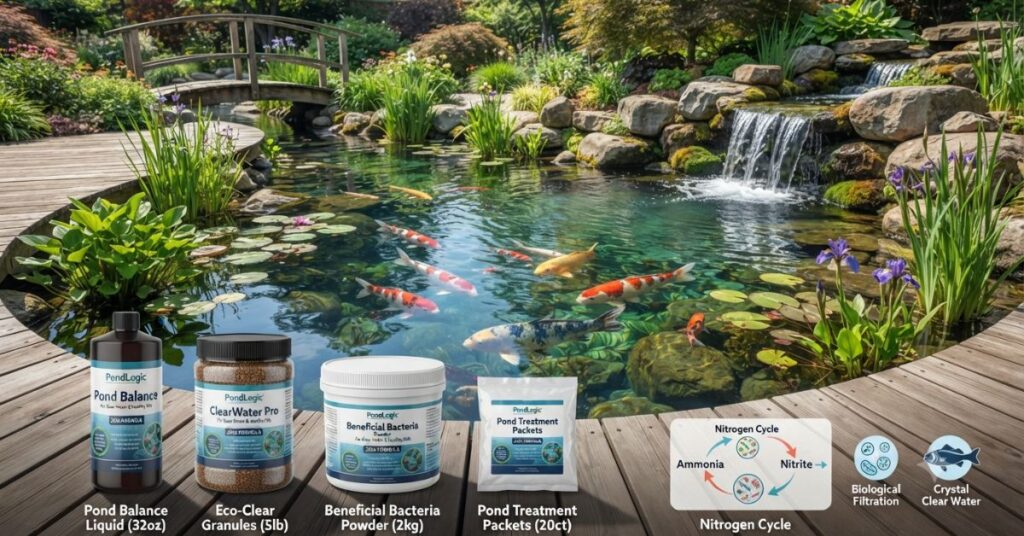
Beneficial bacteria are naturally occurring microorganisms that support your pond’s biological filtration. They feed on organic waste such as fish waste, uneaten food, decaying leaves, and other debris while helping convert harmful ammonia and nitrite into less toxic compounds through the nitrogen cycle. Regular use of beneficial bacteria helps maintain balanced water conditions, improve water clarity, and create a healthier environment for koi, goldfish, aquatic plants, and beneficial microorganisms.
What Are Pond Enzymes?
Pond enzymes are natural proteins that speed up the breakdown of organic materials before bacteria consume them. They help break larger waste particles into smaller compounds, making it easier for beneficial bacteria to digest leaves, sludge, fish waste, and other organic debris. Enzymes work quickly but do not reproduce or establish long-term biological filtration on their own.
Key Differences
| Feature | Beneficial Bacteria | Pond Enzymes |
|---|---|---|
| Primary Function | Break down organic waste and support biological filtration | Break down complex organic matter into smaller particles |
| Living Organisms | ✅ Yes | ❌ No |
| Reproduce in the Pond | ✅ Yes | ❌ No |
| Supports the Nitrogen Cycle | ✅ Yes | ❌ No |
| Helps Reduce Sludge | ✅ Yes | ✅ Yes |
| Improves Water Clarity | ✅ Yes | ✅ Helps indirectly |
| Long-Term Biological Support | ✅ Yes | ❌ No |
| Works Best For | Ongoing pond maintenance | Speeding up waste decomposition |
Which One Should You Choose?
For most pond owners, beneficial bacteria should be the foundation of regular pond maintenance because they provide continuous biological filtration and help maintain long-term water quality. If your pond has excess organic debris, sludge buildup, or heavy leaf accumulation, a product that combines beneficial bacteria with enzymes can provide additional cleaning power by accelerating waste breakdown.
Can You Use Both Together?
Yes. In fact, many of the best beneficial bacteria for ponds already include enzymes in their formulations. The enzymes begin breaking down organic matter, while the beneficial bacteria continue digesting the smaller waste particles and maintaining a stable biological balance. Using products that combine both can improve overall pond maintenance, especially in ponds with heavy fish loads or frequent organic buildup.
When Should You Add Beneficial Bacteria?
Adding beneficial bacteria at the right time helps establish a healthy biological balance and keeps your pond water cleaner throughout the season. While most products are intended for regular maintenance, there are several situations where beneficial bacteria are especially valuable.
New Pond Setup
A newly built pond has little or no established biological filtration. Adding beneficial bacteria during startup helps introduce the microorganisms needed to process fish waste and organic matter as the pond ecosystem develops. This can support a more stable nitrogen cycle and promote healthier water conditions from the beginning.
Spring Startup
As water temperatures rise in spring, beneficial bacteria become more active. Adding a bacteria treatment after winter helps re-establish biological filtration, break down accumulated organic debris, and prepare the pond for increased fish activity and feeding.
After Filter Cleaning
Cleaning your pond filter can remove some of the beneficial bacteria living on the filter media, especially if it has been cleaned too thoroughly. Replenishing beneficial bacteria after filter maintenance helps restore the biological colony and supports consistent water quality.
After Medication
Some pond medications can reduce or disrupt beneficial bacterial populations while treating fish diseases. Once the treatment is complete and it’s safe to do so according to the medication’s instructions, adding beneficial bacteria can help rebuild the biological filter and restore the pond’s natural balance.
After Water Changes
Large water changes can alter water chemistry and reduce the concentration of beneficial microorganisms. Adding a maintenance dose of beneficial bacteria after significant water changes helps support biological filtration and maintain a stable pond environment.
During Algae Problems
Beneficial bacteria do not directly kill algae, but they can help reduce the excess organic waste and nutrients that algae feed on. Regular dosing, combined with proper filtration, avoiding overfeeding, and routine pond maintenance, can support clearer water and make algae blooms less likely over time.
How to Use Beneficial Bacteria Correctly
Using beneficial bacteria properly helps maximize their effectiveness and supports a healthier pond ecosystem. While application instructions may vary slightly between products, these general steps apply to most beneficial bacteria treatments. Always follow the manufacturer’s directions for the specific product you choose.
Step 1: Calculate Your Pond Volume
Before adding any treatment, determine your pond’s total water volume. Applying the correct dosage is essential for maintaining effective biological filtration and avoiding under- or over-treatment. If you’re unsure of your pond’s capacity, use a pond volume calculator to estimate the number of gallons.
Step 2: Turn Off the UV Clarifier (If Recommended)
Some beneficial bacteria products recommend temporarily turning off the UV clarifier during application. UV light can reduce the number of live bacteria entering the pond water before they have time to establish themselves. Check the product label and leave the UV system off for the manufacturer-recommended period before turning it back on.
Step 3: Apply the Product
Measure the recommended amount and apply the beneficial bacteria according to the product instructions. Liquid formulas are typically poured directly into the pond or near the waterfall, while powders, granules, tablets, or packets should be applied as directed. Distributing the product evenly helps beneficial bacteria spread throughout the pond.
Step 4: Keep Filtration and Aeration Running
Continue operating your pond filter and aeration system after dosing. Proper water circulation helps distribute beneficial bacteria throughout the pond, while adequate oxygen levels support bacterial activity and overall biological filtration.
Step 5: Resume Normal Operation
Once the recommended waiting period has passed, restart any equipment that was temporarily turned off, such as the UV clarifier. Continue applying beneficial bacteria according to the manufacturer’s maintenance schedule to help maintain clear water, reduce organic waste, and support a healthy pond year-round.
Common Mistakes to Avoid
Even the best beneficial bacteria for ponds won’t deliver the desired results if they’re used incorrectly. Avoiding these common mistakes will help maintain a healthy biological balance, improve water quality, and get the most from your pond treatment.
Expecting Instant Results
Beneficial bacteria need time to establish themselves and break down organic waste. While some products may begin working within a few days, noticeable improvements in water clarity and sludge reduction often take several weeks. Consistent application and proper pond maintenance are essential for long-term results.
Leaving the UV Clarifier On During Dosing
Some beneficial bacteria products recommend temporarily turning off the UV clarifier during application. UV light can reduce the number of live bacteria before they become established in the pond. Always follow the manufacturer’s instructions regarding UV operation to maximize the effectiveness of the treatment.
Cleaning Bio-Media with Chlorinated Tap Water
Your pond’s filter media is home to millions of beneficial bacteria. Washing bio-media with chlorinated tap water can kill these helpful microorganisms and disrupt the biological filter. Instead, rinse filter media with pond water whenever possible to preserve the existing bacterial colony.
Overfeeding Fish
Excess fish food quickly breaks down into organic waste, increasing ammonia levels and placing extra strain on the biological filter. Feed only what your fish can consume within a few minutes and remove any uneaten food to help maintain better water quality.
Choosing the Wrong Product for Your Pond Size
Not all beneficial bacteria products are designed for the same pond capacity. Using a product that treats fewer gallons than your pond contains may reduce its effectiveness, while purchasing an oversized treatment for a very small pond may not provide the best value. Always check the recommended coverage before buying.
Skipping Regular Dosing
Beneficial bacteria are most effective when added on a consistent maintenance schedule. Skipping applications can reduce bacterial populations over time, allowing organic waste and excess nutrients to accumulate. Following the manufacturer’s recommended dosing frequency helps maintain stable biological filtration and healthier pond water throughout the season.
Frequently Asked Questions
What is the best beneficial bacteria for ponds?
The best beneficial bacteria for ponds depends on your pond size, fish load, and maintenance goals. For most pond owners, Aquascape Beneficial Bacteria Concentrate is our top recommendation because it combines multiple beneficial bacterial strains with enzymes to support biological filtration, improve water clarity, and maintain a healthy pond environment.
Do beneficial bacteria really work?
Yes. Beneficial bacteria help break down fish waste, uneaten food, decaying leaves, and other organic matter while supporting the pond's natural biological filtration. When used consistently alongside proper filtration and regular maintenance, they can improve water quality, reduce sludge, and promote a healthier environment for fish.
How often should I add beneficial bacteria?
Most beneficial bacteria products are applied weekly or every two weeks during the active pond season. However, the recommended dosing schedule varies by product, so it's always best to follow the manufacturer's instructions for optimal results.
Can beneficial bacteria reduce algae?
Yes, but indirectly. Beneficial bacteria do not kill algae. Instead, they consume excess organic waste and nutrients that algae rely on for growth. Combined with proper filtration, regular maintenance, and balanced feeding, they can help reduce the conditions that contribute to algae blooms.
Are beneficial bacteria safe for koi?
Yes. Quality beneficial bacteria products are generally safe for koi, goldfish, aquatic plants, and other pond wildlife when used according to the manufacturer's directions. Many products are specifically formulated for ornamental fish ponds and koi ponds.
Can I overdose beneficial bacteria?
In most cases, adding slightly more beneficial bacteria than recommended is not harmful because they are naturally occurring microorganisms. However, using more than the recommended amount usually doesn't improve results and may be an unnecessary expense. For best performance, follow the product's dosage instructions.
Do beneficial bacteria work in cold water?
Beneficial bacteria become less active as water temperatures decrease. Some products are formulated to remain effective in cooler conditions, while others perform best when water temperatures are above the manufacturer's recommended minimum. Always check the product label for temperature guidelines.
Should I turn off the UV clarifier before adding bacteria?
Many manufacturers recommend temporarily turning off the UV clarifier during dosing because ultraviolet light can reduce the number of live bacteria before they become established. Always follow the instructions provided with your chosen product regarding UV operation.
Can I use beneficial bacteria with pond salt?
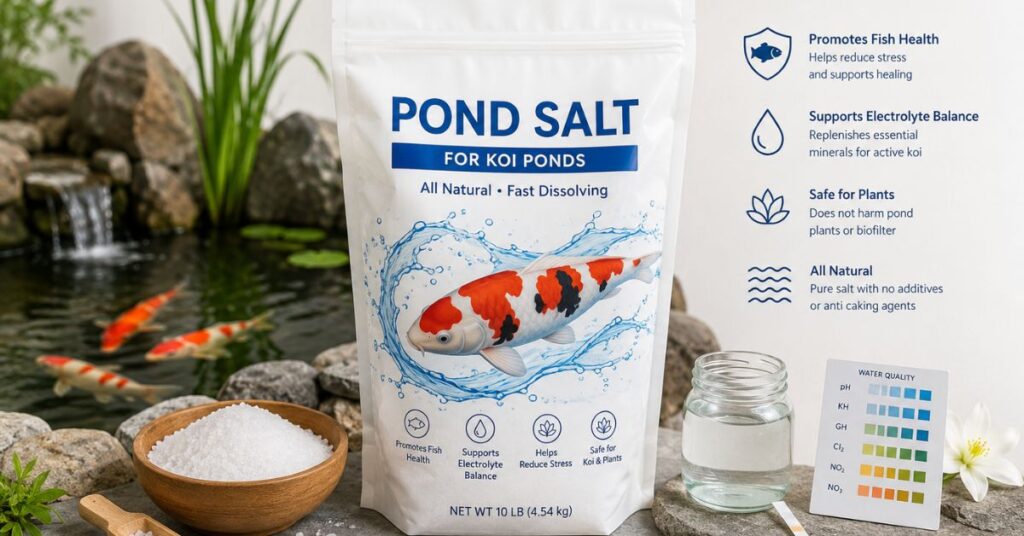
Yes. Beneficial bacteria can generally be used alongside pond salt when both products are applied according to their instructions. Since formulations vary, it's a good idea to review the manufacturer's recommendations if you're using salt as part of a fish treatment or maintenance routine.
How long does it take to see results?
The timeline depends on the product, pond conditions, and the amount of organic waste present. Some pond owners notice clearer water within a few days, while improvements in biological balance, sludge reduction, and overall water quality often become more noticeable after two to four weeks of regular use.

Michael Brooks and Sarah Lane are the co-founders of the Pond Pump Team, a trusted U.S.-based group helping homeowners and landscapers build better ponds and water features. Michael, an experienced pond engineer from Oregon, has worked for over 12 years on pump sizing, flow systems, and water circulation. Sarah, a pond designer from Colorado with nine years of experience, focuses on eco-friendly and easy-to-maintain pond and waterfall designs. Together, they’ve completed more than 180 pond projects and created tools like the Pond Pump Calculator and Pond Liner Calculator to make pond planning simple, accurate, and sustainable.
Need help with your pond setup? Contact the Pond Pump Team for expert advice and reliable solutions.